In this story
The wrong shoe can cost you a step-or a season. Footwear influences cushioning, stability, and injury risk on the court, so matching a shoe to your foot type and playing style matters. This guide breaks down fit and cushioning, position-specific picks for guards and bigs, budget options, indoor versus outdoor use, and when to replace your pair.
How to Choose the Best Basketball Shoes
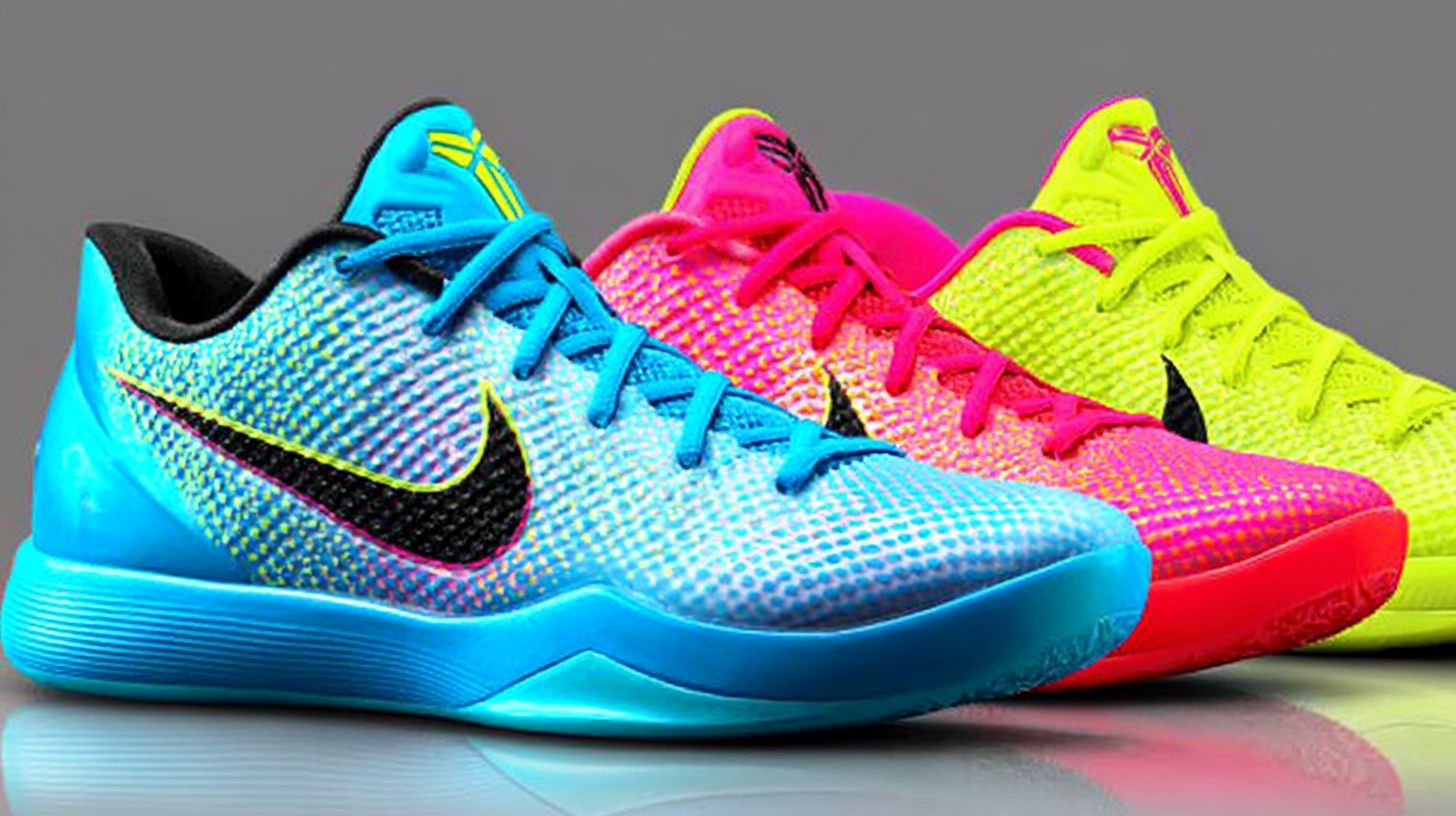
Choosing the right basketball shoe comes down to matching three variables, foot anatomy, playing style, and court surface, to the shoe’s build. Treat the decision as a three-step filter rather than a hunt for hype.
First, lock in fit and foot type. Second, decide which matters more to you: cushioning, support, or traction. Third, weigh court surface and budget, since indoor hardwood and outdoor blacktop demand different rubber compounds and durability levels.
The sections below break each variable down with specific benchmarks, including true-to-size fit, drop measurements, and traction patterns, so you can compare basketball sneakers on equal terms.
Fit, Foot Type, and Playing Style
Start by measuring your foot width and arch. Most Nike basketball shoes run true to size but narrow, while New Balance and Anta offer wider lasts that fit flat or wide feet without sizing up. A Brannock device gives the cleanest numbers, and a wet-foot test can confirm whether your arch is low, neutral, or high.
Match your foot type to the shoe’s construction. Wide or flat feet pair well with wider lasts like the New Balance TWO WXY or Anta KT series. High arches often benefit from shoes with removable insoles, such as the Nike LeBron 21, so you can swap in arch support without changing the shoe’s geometry.
Then map your playing style. Slashers and guards want low-profile court feel, which is why the Kyrie Irving line appeals to quick cutters. Shooters need a stable base under the forefoot, and big men need a wide platform for balance on the block.
Before you commit, run a fit checklist:
- Heel lockdown with no slip when you push off
- About a thumb’s width of space at the toe
- No pinching across the midfoot
- Toes that can splay without hanging over the edge
Expect a break-in period of two to three sessions for knit uppers and about a week for leather. If a shoe feels painful on day one, sizing up or switching lasts usually solves it better than waiting it out.
Cushioning, Support, and Traction Explained
Cushioning technology differs sharply by brand. Nike Zoom Air delivers low-profile responsiveness, Adidas Boost offers high energy return but runs heavier, and React foam balances both at a mid-weight penalty. Li-Ning Boom sits in the springy, lightweight camp, though stack height still decides how much impact protection you actually get.
| Setup | Strength | Tradeoff |
|---|---|---|
| Nike Zoom Air | Court feel and responsiveness | Less impact protection at low stack |
| Adidas Boost | Energy return and comfort | Heavier feel |
| React foam | Balanced cushioning and weight | Moderate court feel |
| Li-Ning Boom | Lightweight bounce | Firmer ride in some builds |
Support comes from lateral stability features like outriggers and TPU shanks, plus ankle coverage from mid and high collars. Low-tops do not inherently lack support if lockdown is solid, so judge the whole package rather than collar height alone.
Traction depends on pattern and rubber compound. A herringbone pattern grips clean hardwood well, while deeper multidirectional tread suits blacktop. Soft rubber sticks indoors but wears fast outside, and harder compounds last longer on pavement at some cost to grip.
Use this priority matrix by position:
- Guards and slashers: traction and court feel first
- Shooters: stable base and balanced cushioning
- Bigs: impact protection, wide platform, lateral stability
- Defensive stoppers: lockdown and durable outsole
Best Basketball Shoes by Position
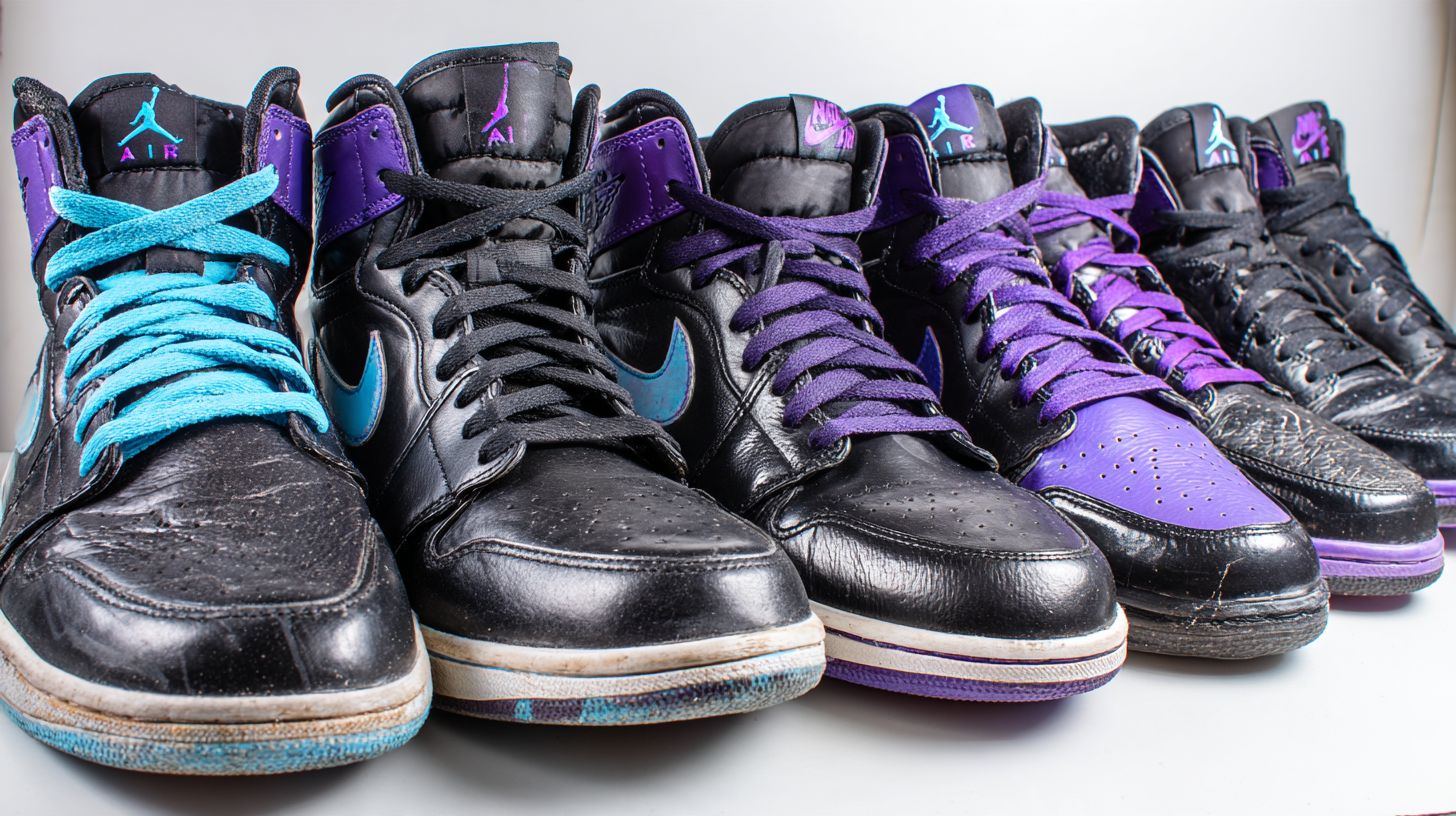
Position shapes shoe priorities: guards need low-to-the-ground court feel and quick lateral cuts, while centers need max cushioning and a wide, stable base. That said, modern positionless basketball blurs these lines, with wings handling the ball and bigs spacing the floor.
Treat position as a starting filter, not a rule. Your playing style, foot type, and where you lace up matter just as much as the number on your jersey.
The sections below give specific model picks for guards and bigs, with pricing and the key spec that matters most for each role. Use them as a shortlist, then test fit and comfort before committing.
Guards: Speed and Court Feel
Guards should prioritize low stack height (under 25mm heel), lightweight builds (under 12 oz), and aggressive traction. Top picks include the Nike Kyrie 8, Adidas Dame 8, and Under Armour Curry 11. These basketball shoes favor responsiveness over plush cushioning.
Court feel lets you read the floor and change direction fast. Lockdown across the forefoot keeps your foot from sliding during hard cuts, which matters most for shifty slashers who live in traffic.
| Model | Weight | Stack Height | Cushioning | Traction | Price | Best For |
|---|---|---|---|---|---|---|
| Nike Kyrie 8 | ~12 oz | Low | Zoom Air | Strong | ~$130 | Shifty slashers |
| Adidas Dame 8 | ~13 oz | Low | Lightstrike | Very good | ~$120 | Scoring guards |
| UA Curry 11 | ~11 oz | Low | UA Flow | Excellent (indoor) | ~$160 | Spot-up shooters |
| Puma MB.03 | ~12 oz | Low | Nitropaste | Very good | ~$125 | Explosive creators |
| New Balance TWO WXY v4 | ~11 oz | Low | FuelCell | Strong | ~$120 | Two-way guards |
The Kyrie 8 delivers excellent court feel and a snug, responsive fit, making it a natural choice for slashers who attack the rim. The Dame 8 balances weight and cushioning well and suits scoring guards who want a dependable all-around ride.
The Curry 11 uses UA Flow, a one-piece foam outsole with no rubber layer. That gives outstanding grip on clean hardwood but wears quickly outdoors, so treat it as indoor-only footwear.
The MB.03 brings lively cushioning and strong traction for explosive creators, while the TWO WXY v4 is a solid value pick for two-way guards. Shooters who move off screens may prefer a slightly firmer, more stable platform.
Bigs: Stability and Impact Protection
Bigs should target max cushioning (30mm+ heel stack), wide bases, and reinforced lateral support. The Nike LeBron 21, Adidas Harden Vol. 8, and Giannis Freak 5 lead this category. These basketball sneakers trade some weight for protection under the rim.
Impact protection comes from Zoom Air units and Boost foam that absorb landings. Lateral stability depends on outriggers and TPU shanks that resist rollover on hard cuts and post moves.
| Model | Weight | Stack Height | Cushioning Tech | Stability Features | Price |
|---|---|---|---|---|---|
| Nike LeBron 21 | ~15 oz | High | Zoom Air | Wide base, outrigger | ~$200 |
| Adidas Harden Vol. 8 | ~15 oz | High | Boost | TPU shank, stable heel | ~$160 |
| Nike Giannis Freak 5 | ~13 oz | Mid | Zoom Air | Outrigger, firm heel | ~$130 |
| New Balance Fresh Foam BB v2 | ~13 oz | Mid | Fresh Foam | Wide forefoot | ~$130 |
| Anta KT9 | ~14 oz | High | Nitrogen foam | TPU cage, stable base | ~$150 |
The LeBron 21 pairs plush Zoom Air with a broad, stable base, ideal for post players who want premium impact protection. The Harden Vol. 8 uses Boost foam for soft landings and a TPU shank that keeps the midfoot rigid.
The Giannis Freak 5 offers strong value with a firm heel and outrigger for lateral security. The KT9 adds a TPU cage for lockdown, and the Fresh Foam BB v2 suits bigs who want a wider forefoot fit.
Watch the weight tradeoff. Shoes over 14 oz deliver more protection but reduce mobility, so they suit post players more than mobile forwards. Mid or high collars add ankle support, while a proper break-in period helps the upper mold to your foot.
Top Picks by Budget
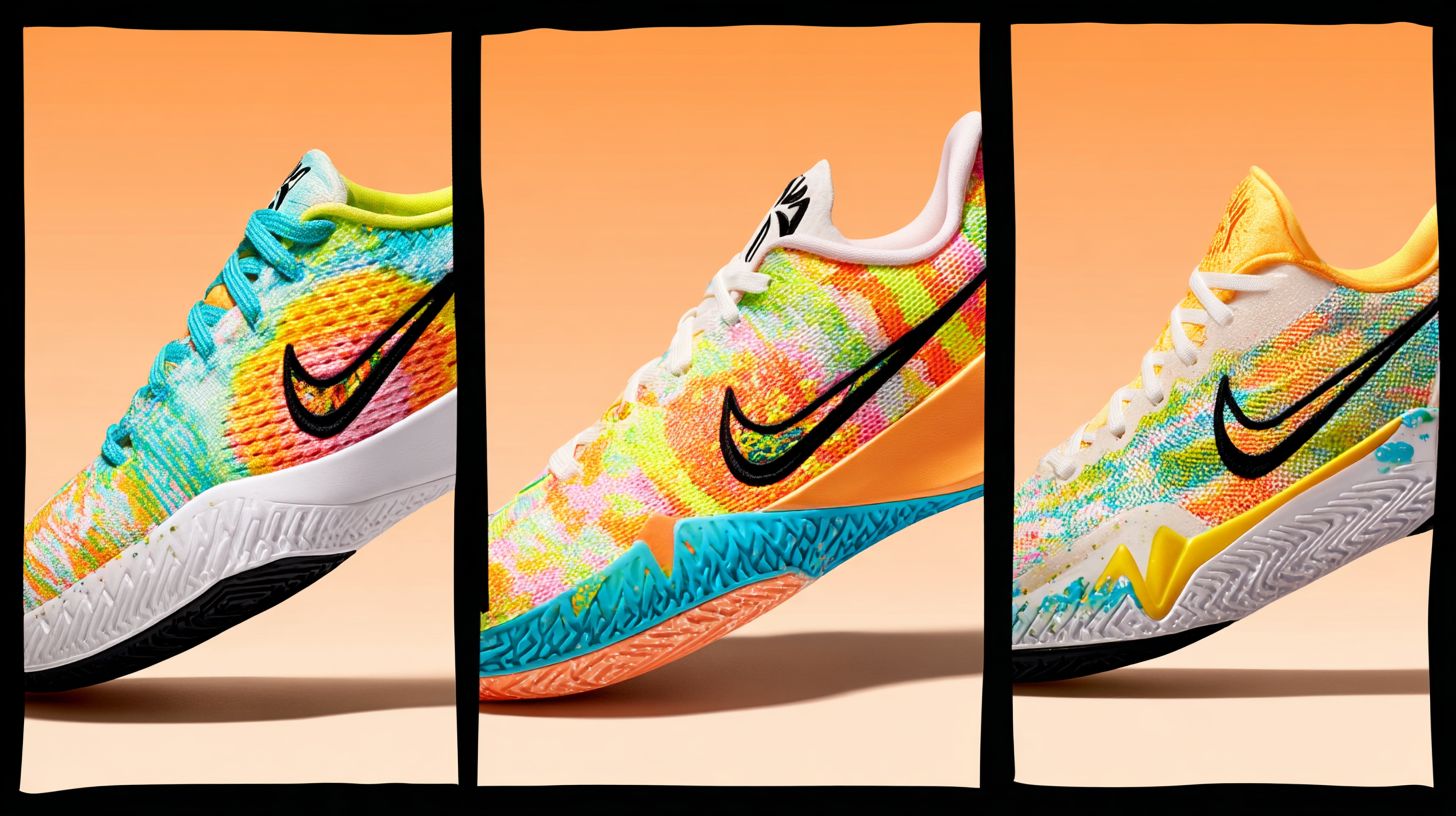
Budget doesn’t dictate performance: several sub-$100 models deliver 80-90% of flagship features, while $180+ flagships add premium foams and signature detailing. What matters most in any price range is durability and fit, since a well-fitting pair of basketball shoes at $80 will outperform a poorly sized $200 pair every time.
This section breaks the market into three tiers: under $100, $100 to $150, and $150 and up. Each pick below carries a performance-per-dollar rating so you can compare value across price points at a glance.
Use the tiers as a starting filter, then match the shoe to your playing style, foot type, and whether you play mostly on indoor courts or outdoor blacktop.
Best Value Picks Under $100
The best sub-$100 basketball shoes in 2024 include the Nike Precision 6 ($85), Adidas OwnTheGame 3 ($75), and Puma Court Rider 2K ($90), each offering solid traction and adequate cushioning. These picks suit casual pickup basketball, outdoor courts, and players who want dependable hoops footwear without a flagship price tag.
| Model | Price | Cushioning | Traction | Durability | Best For |
|---|---|---|---|---|---|
| Nike Precision 6 | $85 | Firm, basic foam | Good | Moderate | Quick guards on indoor courts |
| Adidas OwnTheGame 3 | $75 | Soft, minimal | Solid | Moderate | Casual pickup players |
| Puma Court Rider 2K | $90 | Balanced | Good | Moderate | All-around outdoor play |
| New Balance BB550 | $95 | Firm, classic | Good | Above average | Style-first casual hoops |
| Under Armour Lockdown 6 | $80 | Basic | Solid | Above average | Outdoor courts and blacktop |
The Nike Precision 6 cuts corners on midsole foam quality, so impact protection fades faster than premium models. It suits quick guards who value court feel over plush cushioning. The Adidas OwnTheGame 3 keeps costs down with a minimal midsole, making it a fine choice for casual pickup players who play a few times a week.
The Puma Court Rider 2K offers balanced cushioning and reliable grip, a smart option for outdoor courts. The New Balance BB550 leans on a classic leather upper with above-average durability, though its firm ride suits style-first players more than heavy slashers. The Under Armour Lockdown 6 stands out for blacktop durability at a low price.
Value verdict: all five rate well on performance-per-dollar for their tier. Upgrade when you play more than three times a week, feel joint soreness after sessions, or notice the outsole wearing smooth. At that point, the $100 to $150 tier buys noticeably better foam and traction.
Premium Flagship Models
Flagship models like the Nike LeBron 21 ($200), Nike KD 17 ($160), and Adidas Harden Vol. 8 ($160) justify their price with premium foams, advanced traction, and signature-athlete design input. This tier is where performance basketball footwear gets its best cushioning, energy return, and lockdown.
| Model | Price | Signature Athlete | Cushioning Tech | Weight | Key Feature | Best For |
|---|---|---|---|---|---|---|
| Nike LeBron 21 | $200 | LeBron James | Full-length Zoom Air | Heavier | Max impact protection | Forwards and bigger players |
| Nike KD 17 | $160 | Kevin Durant | Zoom Air unit | Lightweight | Responsive court feel | Shooters and slashers |
| Adidas Harden Vol. 8 | $160 | James Harden | Boost-style foam | Moderate | Grip and step-back stability | Guards who create space |
| UA Curry 11 | $160 | Stephen Curry | Dual-density foam | Lightweight | Quick lateral stability | Shifty guards |
| Anta KT9 | $150 | Klay Thompson | Nitrogen-infused foam | Moderate | Balanced cushioning and grip | All-around players |
What the premium buys is real: full-length Zoom Air, carbon fiber plates for torsional support, and premium knit uppers that breathe and lock the foot down. The best flagships also use stickier rubber compounds and refined herringbone patterns for elite traction on hardwood.
Is the upgrade worth it? For frequent players logging several sessions a week, yes. Better foam preserves your legs and the improved lockdown reduces injury risk. For casual pickup players, no. The sub-$100 tier covers most needs, and the price gap rarely shows up in casual games.
Monitor colorway release cadence and resale. Signature shoes launch in waves, so older colorways often sit on shelves while the newest drops command resale premiums. Buying a prior-season colorway is one of the smartest ways to land flagship performance at a lower price.
Indoor vs. Outdoor Court Considerations
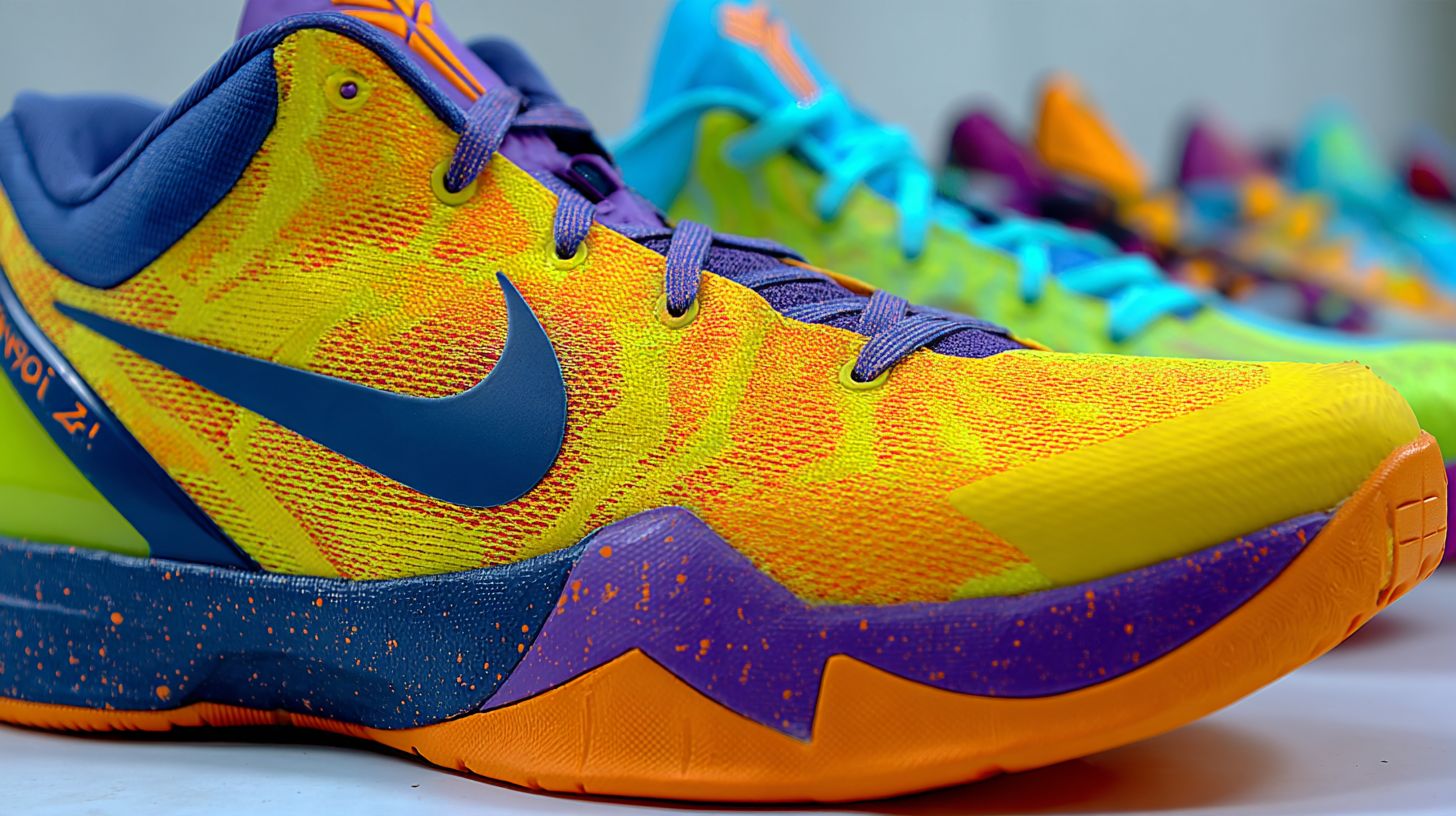
Indoor hardwood demands soft rubber for grip (e.g., herringbone patterns), while outdoor blacktop requires harder, thicker rubber compounds that resist abrasion. Shoes like the Nike Air Zoom Generation or Adidas Dame 8 excel outdoors. The surface you play on should shape your buying decision as much as cushioning or fit.
Indoor basketball shoes are built around soft rubber outsoles with fine traction patterns that bite into a clean floor. That softness delivers excellent grip on hardwood but wears down quickly once it meets rough pavement. The same quality that makes these basketball sneakers feel locked in indoors makes them a poor match for blacktop.
Outdoor court shoes flip the formula. They use harder, denser rubber compounds with deeper tread, often labeled with durability technologies from major brands. These outsoles trade a little of that sticky indoor feel for abrasion resistance that holds up through repeated pickup games on concrete and asphalt.
The table below sums up the key differences between the two categories.
| Feature | Indoor Court Shoes | Outdoor Court Shoes |
|---|---|---|
| Outsole rubber | Soft, tacky compound | Hard, abrasion-resistant compound |
| Tread pattern | Fine herringbone and tight traction lines | Deeper, thicker tread blocks |
| Grip on hardwood | Excellent | Good, slightly less bite |
| Grip on blacktop | Strong at first, fades fast | Consistent and dependable |
| Typical lifespan | 1 to 2 years indoors | 3 to 6 months on blacktop |
| Warranty coverage | Often voided by outdoor use | Designed for outdoor play |
Indoor-focused picks include performance basketball footwear like the Nike Kyrie 8 and the UA Curry 11. Both lean on fine herringbone traction and soft rubber that reward clean hardwood. They suit American players who mostly compete in gyms, rec leagues, or organized indoor courts.
Outdoor players should look at models such as the Nike Precision 6, the Adidas OwnTheGame 3, and the Puma Court Rider 2K. These basketball sneakers use tougher rubber and deeper grooves built for blacktop. They are practical choices for driveway hoops and park pickup basketball.
Durability tells the real story. A dedicated outdoor pair typically lasts 3 to 6 months on blacktop, while an indoor pair can hold up for 1 to 2 years when kept on hardwood. Wearing indoor court shoes outdoors speeds up wear dramatically and can void warranties on some models.
Check the warranty terms before you buy, since many brands exclude outdoor use from coverage. If you split time between surfaces, consider keeping one pair for gyms and a tougher outdoor pair for pavement. That approach protects your best basketball shoes and stretches your budget across the season.
Break-In, Care, and Replacement Timing
Most basketball shoes need 2-3 sessions (4-6 hours) to break in, with knit uppers breaking in faster than leather, and signs of replacement include worn-out traction nubs and compressed midsole foam. Getting this phase right protects your feet and extends the life of your investment.
A proper break-in routine matters for every pair of basketball sneakers, whether you paid budget prices or premium retail. Rushing the process can cause blisters, hot spots, and premature wear on the upper material. The steps below give you a simple protocol to follow from the first wear to the final replacement.
- Break-in: wear the shoes around the house for 1-2 hours, then move to light shooting drills before full-speed play.
- Care: wipe uppers with mild soap and water, air-dry only (never machine wash), and rotate pairs to extend foam life.
- Replacement signs: check for flattened herringbone grooves, midsole creasing or compression, and tears in the upper.
Knit uppers typically soften within about 2 sessions, while leather uppers may need up to a week of gradual wear. Rotating two pairs of court shoes is one of the simplest ways to protect midsole foam, since cushioning compresses with every session and needs time to recover between runs.
Replacement timing depends heavily on surface. Outdoor players on blacktop should expect to replace shoes every 3-6 months, while indoor players on hardwood can often stretch a pair to 12-18 months. Check warranty policies too, since some brands like Nike offer a durability guarantee on select models that covers outsole wear within a set window.
Watch for the warning signs before they cause problems. Once the traction pattern wears flat, grip on the court drops sharply, raising injury risk during cuts and stops. Compressed midsole foam means less impact protection, and any tear in the upper compromises lockdown and support.
For American players logging heavy pickup basketball hours, keeping a simple log of sessions helps you judge when performance basketball footwear is due for retirement. Pair that habit with consistent cleaning and rotation, and your best basketball shoes will stay responsive and supportive for their full usable life.
Final Recommendations
For most players, the Nike LeBron 21 ($200) is the best overall pick for cushioning and support, while the Nike Precision 6 ($85) is the best budget option for outdoor play. The table below condenses the top picks by category so you can compare at a glance before heading to a store or ordering online.
| Category | Top Pick | Price | Why |
|---|---|---|---|
| Best Overall | Nike LeBron 21 | $200 | Balanced cushioning, support, and lockdown for multiple positions |
| Best Budget | Nike Precision 6 | $85 | Affordable price with durable build suited to blacktop play |
| Best for Ankle Support | Adidas Harden Vol. 8 | Check retail | Structured collar and stable base for players who want extra security |
| Best for Wide Feet | New Balance TWO WXY v4 | Check retail | Roomier fit that reduces pressure on the sides of the foot |
| Best Traction | UA Curry 11 (indoor) | Check retail | Reliable grip on clean hardwood for quick cuts and stops |
| Best Cushioning | Nike LeBron 21 | $200 | Plush midsole setup that softens landings for heavier or high-impact players |
Choosing the right pair starts with your position and playing style. Guards and slashers usually favor court feel and responsiveness, while forwards and centers benefit from extra impact protection and lateral stability. If you play on outdoor courts or blacktop, prioritize a durable outsole and abrasion-resistant rubber compound.
Court surface matters just as much as position. Indoor hardwood rewards sticky grip and softer rubber, while outdoor surfaces wear through thin soles quickly. Budget also shapes the decision: a sub-$100 basketball sneaker can serve casual pickup basketball well, but frequent players may get more value from a pricier model that holds up longer.
Whenever possible, try shoes on in-store before buying. Walk, cut, and jump to check lockdown, width, and break-in comfort, and confirm sizing since some models run narrow or long. If you order online, review the return policy first so you can exchange a pair that does not fit your foot type.