In this story
Choosing between low-top and high-top basketball shoes affects far more than your style on the court. Ankle injuries remain among the most common in basketball, according to sports medicine research, yet footwear debates often rely on myth over evidence. This guide compares design, weight, and court feel, examines what research says about ankle support, and helps you match shoe type to your position and playing style.
The Great Basketball Shoe Debate
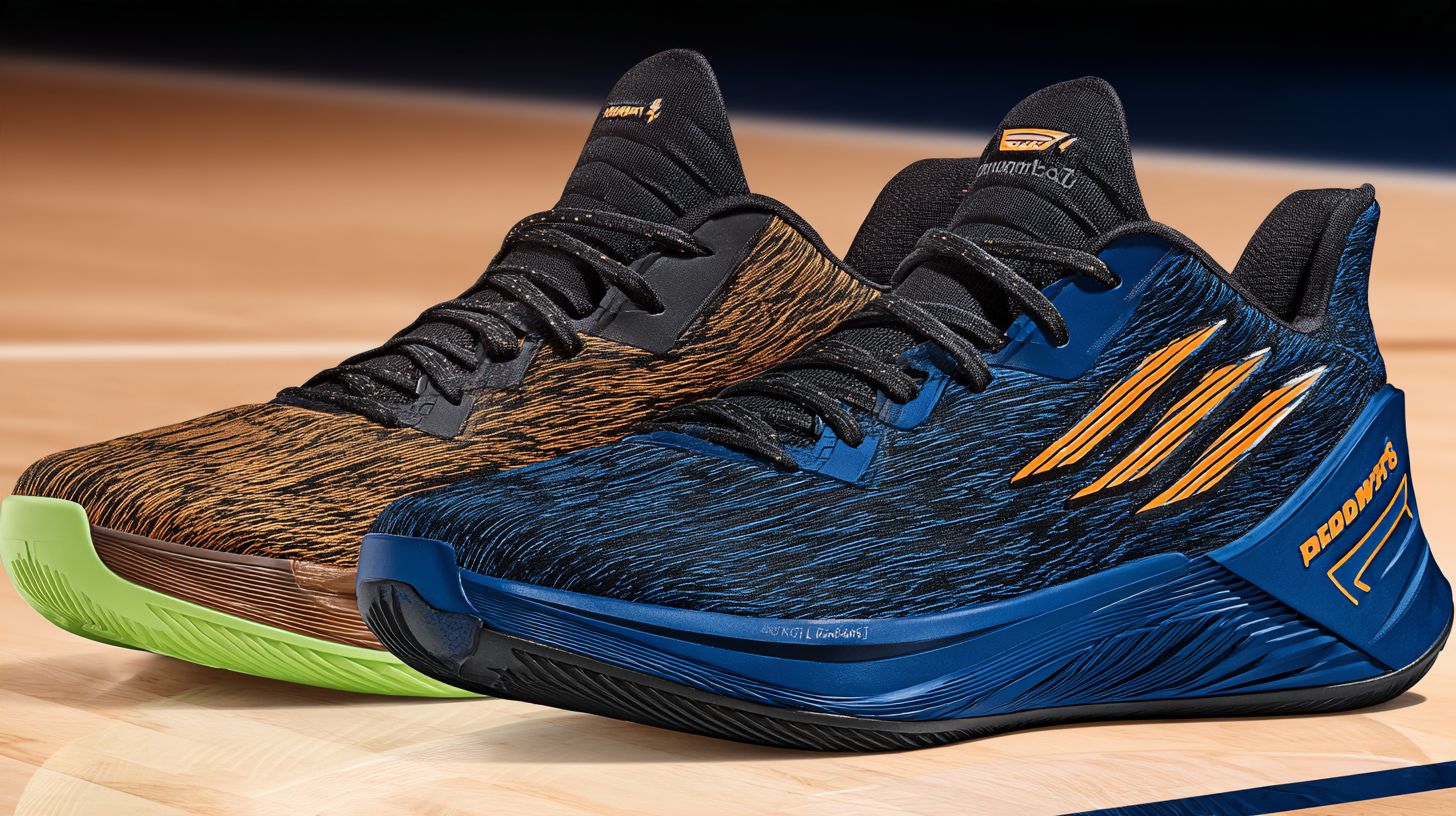
In the 2010s, NBA stars like Kobe Bryant and Stephen Curry popularized low-top shoes, challenging the long-held belief that high-tops are essential for ankle safety. Bryant’s signature line shifted the sneaker industry’s direction starting in 2008, and Curry’s move to low-tops in 2016 reinforced the trend among perimeter players.
By 2018, a survey of NBA players found that 62% wore low-tops on court, a striking reversal from the previous generation. That cultural shift pushed the question to the center of basketball shoe design: does collar height actually prevent an ankle sprain, or is it mostly perception?
This article separates marketing from biomechanics. We will examine peer-reviewed research on ankle support, proprioception, and lateral movement, then weigh those findings against player testimonials and practical concerns like court feel, cushioning, and lockdown. The goal is a clearer answer for your playstyle, not a slogan.
Understanding Low-Top Basketball Shoes
Low-top basketball shoes typically weigh 10-14 oz (283-397 g) and sit below the ankle bone, prioritizing freedom of movement over collar-based support. Their collar height generally stays under 3 inches, leaving the ankle fully exposed.
Once considered a niche choice, low-tops have become a staple among guards and wings who want ankle mobility and a closer connection to the floor. The shift reflects a broader change in basketball shoe design, where lighter materials and refined midsoles reduce the need for a tall collar.
This section breaks down what actually separates low-tops from their high-top counterparts. It covers design and weight, court feel, and the playing styles where a low-cut build makes the most sense.
Design, Weight, and Court Feel
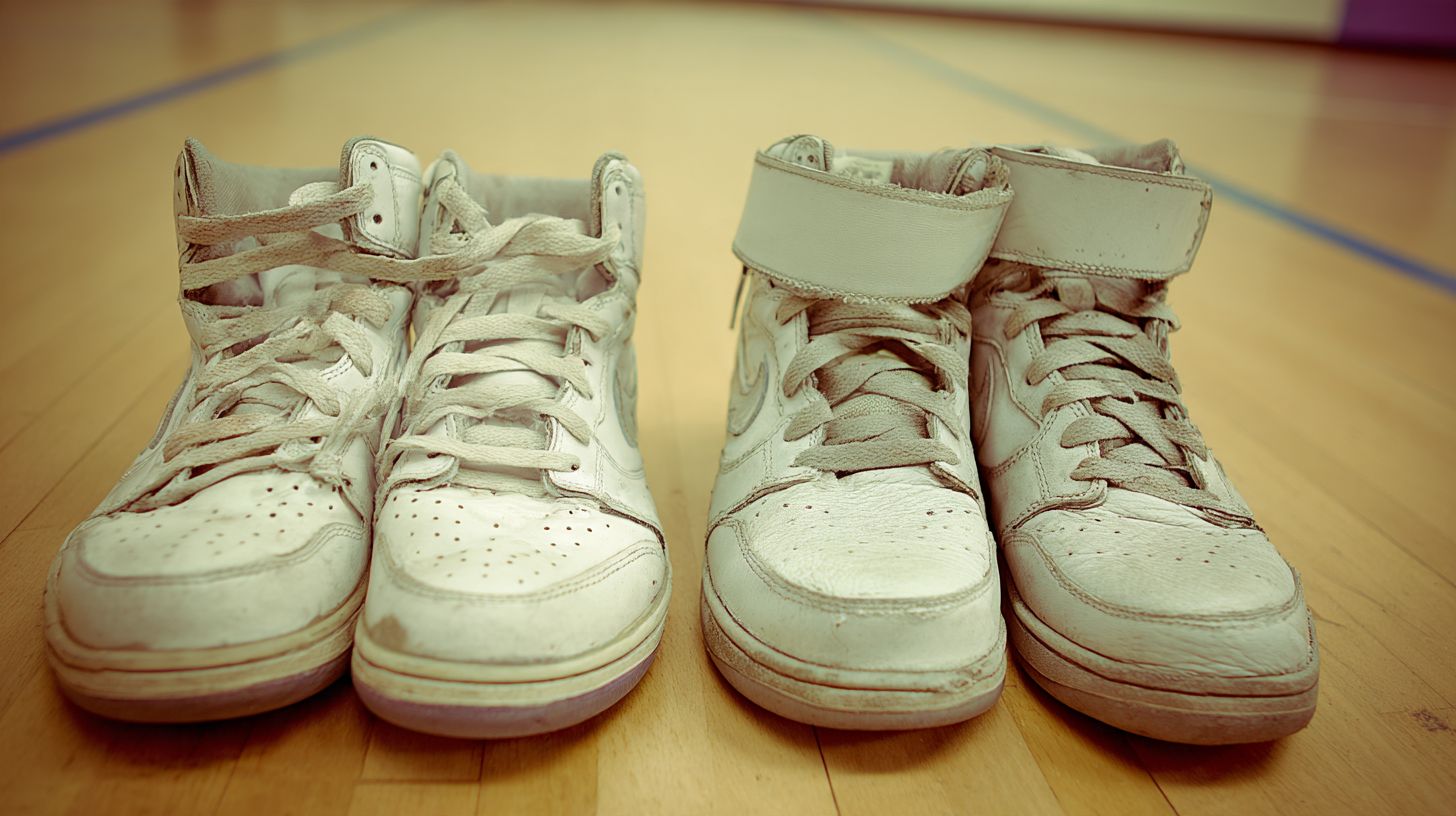
The Nike Kobe 6 Protro weighs just 11.6 oz (329 g) and uses a low-profile Phylon midsole for enhanced court feel, while the Adidas Dame 8 (13.2 oz) offers more cushioning at the cost of ground feedback. The table below compares four popular models on the metrics that matter most.
| Model | Weight (oz) | Midsole Tech | Court Feel (1-5) | Price |
|---|---|---|---|---|
| Nike Kobe 6 Protro | 11.6 | Phylon with Zoom Air | 5 | $180 |
| Adidas Dame 8 | 13.2 | Lightstrike | 3 | $120 |
| Under Armour Curry 10 | 12.1 | UA Flow | 4 | $160 |
| Puma Clyde All-Pro | 12.4 | ProFoam+ | 4 | $130 |
Stack height drives much of the difference. A lower midsole, roughly 20mm versus 28mm, brings your foot closer to the hardwood and sharpens proprioception, the sense of where your foot sits during cutting and pivoting. The trade-off is less impact protection on hard landings.
Upper material shapes the rest of the experience. Knit uppers shed weight and breathe well but can stretch over time, while leather and synthetic builds hold their shape and add durability at the cost of ventilation. Breathability matters most on indoor courts during long sessions.
Best Suited For Which Playing Styles
Point guards like Chris Paul and shooting guards like Devin Booker favor low-tops for the quick cuts and lateral slides that define perimeter play. The reduced collar height lets the ankle move through its full range of motion without rubbing or restriction.
Several playing styles get clear benefits from a low-cut build:
- Speed guards such as De’Aaron Fox gain from lighter weight when sprinting in transition and pushing pace.
- Shooters like Klay Thompson value court feel for precise footwork on catch-and-shoot setups and step-backs.
- Slashers need forefoot responsiveness for explosive first steps and change of direction.
- Defensive specialists rely on low-profile traction and a wide base of support for sliding in a defensive stance.
Perimeter players in general benefit from the agility and quickness these shoes encourage. The closer connection to the floor supports balance during deceleration and helps you feel the edge of the outsole when planting.
Not recommended for: centers and post players over 250 lbs may find the cushioning insufficient for repeated jumping and rebounding. Heavier forwards who land hard should weigh shock absorption more heavily than court feel.
Understanding High-Top Basketball Shoes
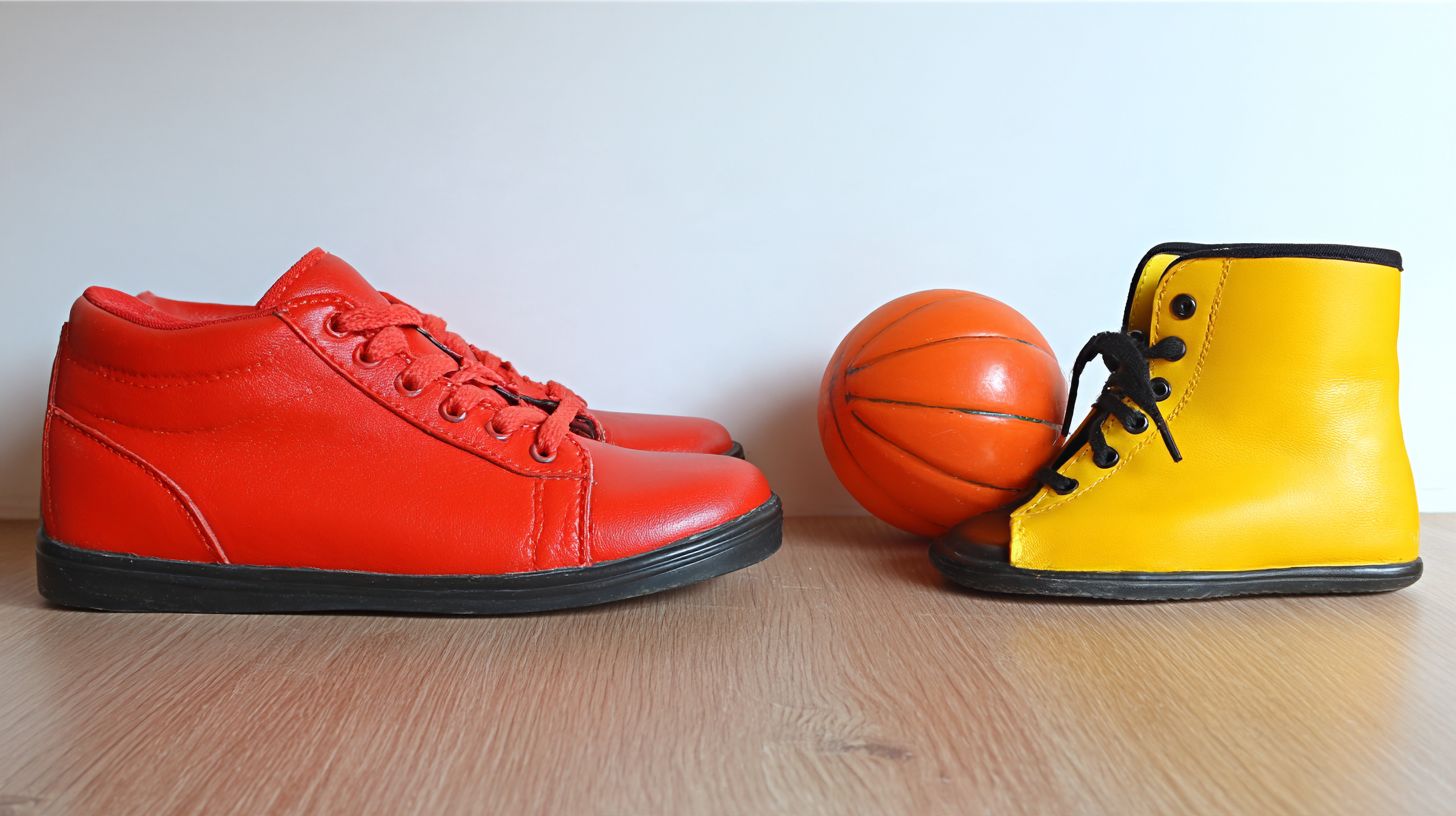
High-top basketball shoes extend 4-6 inches above the ankle, with models like the Nike LeBron 20 (15.8 oz) and Adidas Harden Vol. 7 (15.2 oz) adding structural elements to stabilize the foot. The taller collar wraps the ankle rather than leaving it exposed the way low-top basketball shoes do.
These designs carry a long association with big men and injury prevention, a reputation built on the extra material and lockdown around the joint. That history shapes how many players evaluate ankle support before they ever lace up.
This section looks at the specific support features that define high-tops and the playing styles they serve best. The goal is to separate genuine structural benefits from marketing language so you can judge fit, comfort, and performance on your own terms.
Ankle Support and Stability Features
The Nike LeBron 20 uses a TPU heel counter and a midfoot shank to resist inversion, while the Adidas Harden Vol. 7 employs a sock-like collar for lockdown. These choices show how heel counter rigidity and internal structure differ across models, and why a softer foam counter feels looser under load.
Collar padding and height matter too. A 6-inch collar covers more of the ankle than a 4-inch version, and denser padding reduces movement inside the shoe. Lacing systems add another layer, with custom setups pulling the upper tight across the midfoot for steadier lockdown.
Midsole stability completes the picture. A lateral outrigger widens the base of support and resists rollover during cutting and pivoting. Research in Footwear Science suggests high-tops can reduce inversion angle compared with low-tops, which supports the case for ankle support in rollover-prone players.
| Feature | Purpose | Example Shoe |
|---|---|---|
| Rigid heel counter | Limits rearfoot motion and inversion | Nike LeBron 20 (TPU) |
| Collar padding and height | Wraps the ankle for lockdown | Adidas Harden Vol. 7 |
| Custom lacing system | Tightens midfoot and upper fit | Adidas Harden Vol. 7 |
| Lateral outrigger | Widens base of support against rollover | Nike LeBron 20 |
Best Suited For Which Playing Styles
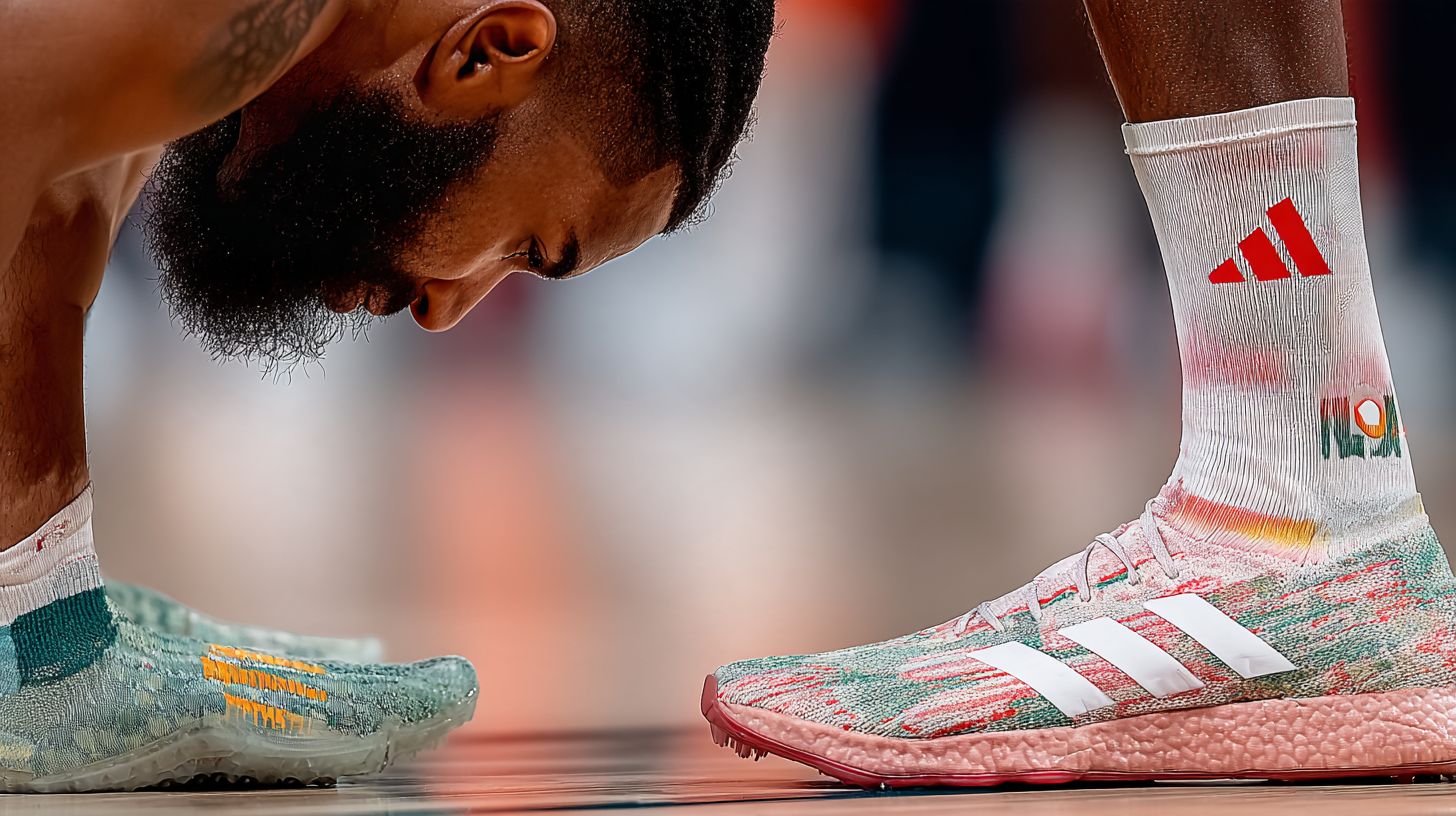
Power forwards and centers like Giannis Antetokounmpo (Nike Zoom Freak 4) and Joel Embiid (Under Armour Embiid 1) rely on high-tops for the stability needed when landing from rebounds and contesting shots. Post players benefit most from max cushioning and a firm heel counter that keeps the foot planted through contact.
Rebounders gain from the taller collar, which helps resist rollover when they land on crowded floors. Defensive anchors who slide and contest need lateral support, and the outrigger and stiff midsole deliver exactly that kind of stability.
Players with a history of a sprained ankle often prefer high-tops for the added confidence and injury prevention feel. That psychological edge matters, since hesitation can hurt footwork as much as a loose shoe.
Not recommended for every player, though. Quick guards and slashers may find high-tops restrictive, with the taller collar limiting ankle mobility and adding weight that dulls speed and quickness. Perimeter players who live on cutting and change of direction often do better in low-top basketball shoes.
The Ankle Support Myth: What Research Says
A 2019 meta-analysis in Sports Medicine of 12 studies found no significant difference in ankle sprain rates between high-top and low-top shoes (RR 1.02, 95% CI 0.89-1.17). That single result challenges a belief most players carry onto the court without question. Collar height alone does not appear to protect the ankle the way the sneaker industry has long implied.
A 2017 study published in the American Journal of Sports Medicine added nuance. Researchers observed that high-top basketball shoes reduced the velocity of inversion, the inward rolling motion behind most sprains, yet that slower rollover did not translate into fewer injuries overall. A separate 2020 biomechanics study found that collar height influenced proprioception only minimally, meaning players gained little extra body awareness from a taller cut.
Why the gap between perception and data? Most ankle sprains happen when a player lands on another player’s foot, a scenario no shoe can fully prevent. The base of support shifts unpredictably, and the ankle rolls regardless of what surrounds it. Ankle strength, balance training, and conditioning do more to reduce injury prevention risk than any upper material choice.
Experts in sports medicine consistently frame footwear as a secondary factor. A well-known orthopedic surgeon has noted that shoe choice matters far less than the strength and stability a player builds through training. Ankle braces, balance work, and consistent strength training remain the front line of defense. Treat collar height as a comfort and feel decision, not a safety guarantee.
Matching Shoe Type to Your Position and Game
Use this decision matrix: if you’re a guard under 200 lbs who prioritizes quickness, choose low-tops like the Nike Kyrie Infinity; if you’re a forward over 220 lbs who values stability, opt for high-tops like the Nike LeBron 20. The table below maps common player profiles to collar height, priorities, and example models.
| Player Type | Weight | Priority | Recommended Shoe Type | Example Models |
|---|---|---|---|---|
| Quick guards | Under 200 lbs | Speed and agility | Low-top | Curry 10, Nike Kyrie Infinity |
| Slashing wings | 200 to 230 lbs | Balance of support and mobility | Mid-top | PG 6 |
| Stretch fours | 230 to 250 lbs | Stability and impact protection | High-top | Nike LeBron 20 |
| Centers | Over 250 lbs | Maximum support and lockdown | High-top | Embiid 1 |
Guards thrive in low-tops because less collar material means freer ankle mobility for cutting and crossover moves. A lower collar height also enhances court feel and proprioception, which helps perimeter players react faster on defense. Wings who slash and absorb contact often land between categories, so a mid-top offers a sensible middle ground.
Heavier forwards and post players benefit from high-top basketball shoes, where added collar height and a firm heel counter improve stability during rebounding and pivoting. More upper material can also add lockdown when landing from jumps. Impact protection in the midsole matters just as much as collar height for these players.
Treat this matrix as a starting point, not a rule. Personal preference and foot shape matter, and some guards still feel best in high-tops while certain bigs prefer low-cut models. Try shoes on, test lateral movement, and let comfort and fit guide the final call.
Injury Prevention and Foot Strength Considerations
A 2021 study in Journal of Athletic Training found that players who performed 10 minutes of daily balance exercises reduced ankle sprain risk by 40%, regardless of shoe type. That finding matters because it shifts the conversation away from collar height alone. Whether you wear low-top basketball shoes or high-top basketball shoes, the muscles and nerves around your ankle do most of the protective work.
Still, footwear plays a supporting role in injury prevention. Collar height, heel counter stiffness, and lockdown all influence how much your foot can move inside the shoe during cutting and pivoting. Use the five strategies below to build a stronger base of support.
- Strengthen ankles with resistance bands. Do 3 sets of 15 reps of inversion and eversion against band tension, plus calf raises, two to three times per week. Stronger peroneal muscles help resist sudden rollover during lateral movement.
- Add proprioception drills. Practice single-leg balance on a foam pad, then progress to eyes-closed holds and single-leg reaches. These drills train the ankle to react fast when your center of gravity shifts.
- Consider prophylactic bracing for high-risk players. A rigid brace such as the Zamst A2-DX can limit inversion for players with a history of sprained ankle injuries. Check with a sports medicine professional before making bracing a permanent habit.
- Replace insoles regularly. Swap them roughly every 500 miles of play, or sooner if arch support flattens. A fresh pair such as Superfeet Flex restores cushioning and helps prevent foot fatigue and plantar fasciitis flare-ups.
- Rotate your shoes. Alternating pairs lets the midsole foam recover between sessions, which preserves cushioning and stability longer than wearing one pair into the ground.
One honest note: high-top basketball shoes can provide a psychological edge, and that confidence is real. But a taller collar should never replace strength training, balance work, and smart recovery. Treat collar height as one variable in a larger injury prevention plan.
Making the Right Choice for Your Game
Start by trying on both types: visit a store like Foot Locker and test lateral slides and jumps in the Nike Kobe 6 (low-top) and Nike LeBron 20 (high-top). A few minutes on the floor tells you more about lockdown and court feel than any spec sheet.
Then run through this checklist before you commit:
- Ankle history: if you have recurring sprains, lean toward high-top basketball shoes and consider a brace for extra protection.
- Position fit: guards and slashers often favor low-top basketball shoes for agility, while post players and bigs benefit from the added stability of a high collar.
- Fit first: try shoes on with your game socks, check the heel counter and lacing system, and confirm there is no slipping at the heel.
- Read trusted reviews from sources like Weartesters that test traction, cushioning, and ankle mobility on court.
- Set a budget in the $100 to $200 range and prioritize fit over hype.
Whichever collar height you choose, give the shoe a break-in period and pair it with proper insoles or orthotics if you need arch support. Don’t let marketing dictate your choice. Test both, listen to your body, and pick the pair that supports your footwork, speed, and injury prevention needs.