In this story
Ankle sprains remain one of basketball’s most common injuries, and the right footwear can make the difference. Proper ankle support and stability reduce rollover risk without sacrificing court feel. This guide breaks down essential features-from high-top versus low-top designs to lockdown systems-and reviews top picks for support, value, and wide feet. Find the pair that protects your game.
Why Ankle Support and Stability Matter in Basketball
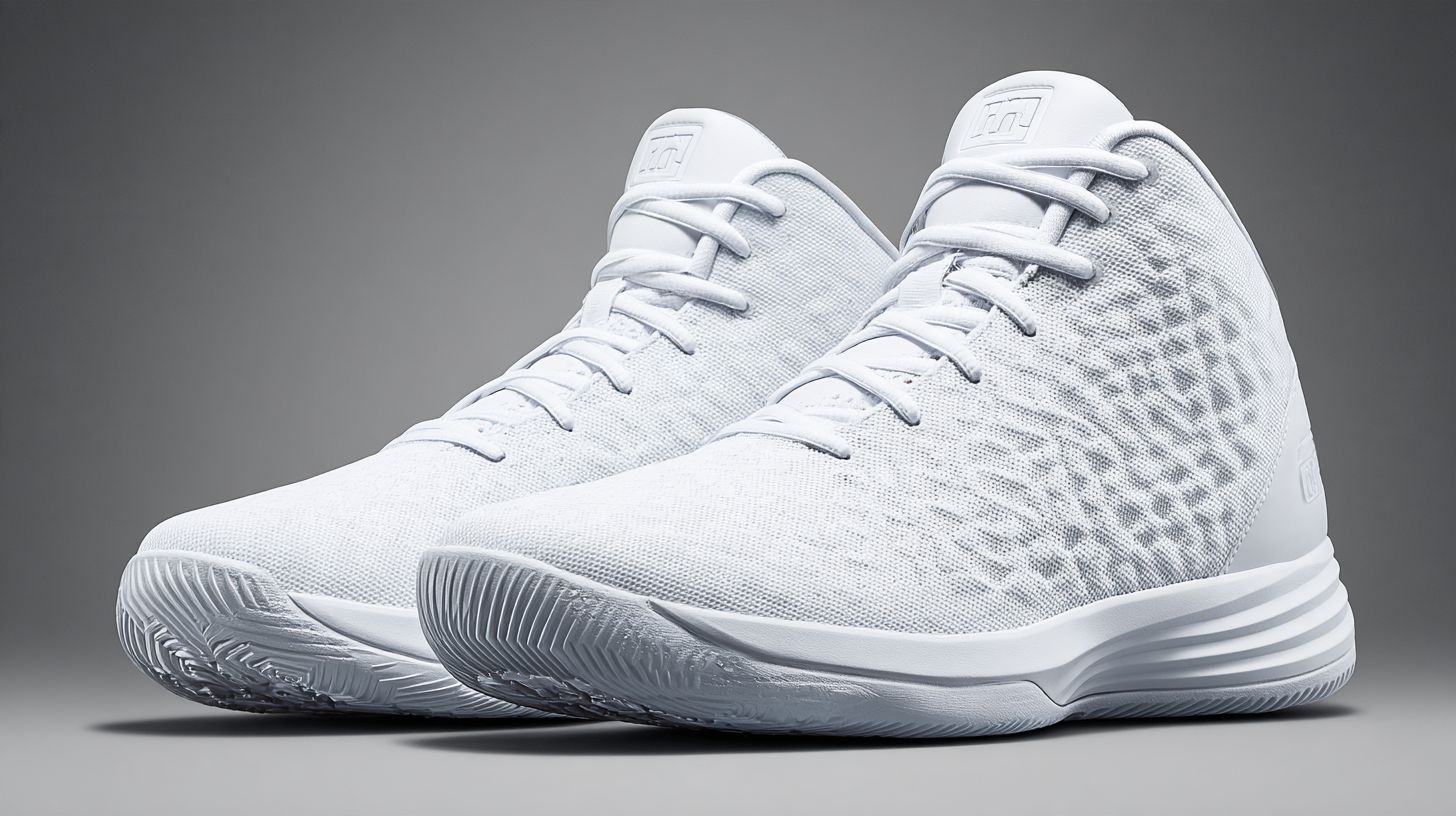
Ankle sprains account for roughly 15-30% of all basketball injuries, and a 2021 study in the American Journal of Sports Medicine found that lateral ankle sprains are the single most common injury in the sport, with reinjury rates near 30% among players who return too soon. That pattern is familiar at every level of the game. Even elite guards have had to rebuild their durability around the ankle.
Consider a well-known example: a star guard’s early career was interrupted by repeated ankle problems before bracing and custom orthotics became part of his routine. The change did not just reduce pain. It allowed him to trust his cuts again, and his availability improved dramatically. Support and stability are what let a player move without hesitation.
Mechanically, most sprains happen when the foot rolls inward. The lateral malleolus, the bony bump on the outside of the ankle, takes the stress while the supporting ligaments, including the ATFL and CFL, stretch or tear. Landing on another player’s foot or cutting sharply is the usual trigger, and research suggests the large majority of these are inversion injuries from jump landings and crossovers.
Shoe design can lower that rollover risk. A wider outsole creates a larger base of support, a firm heel counter and internal heel cup hold the rearfoot steady, and anti-rollover geometry keeps the foot from tipping past its edge. Better ankle support means fewer missed games and more confidence in every cutting movement.
Key Features to Look For
Before comparing specific models, focus on five features that actually drive ankle support: collar height, lockdown (lacing + straps), torsional rigidity (midfoot shank), heel counter structure, and outsole width at the base of support. These five categories matter far more than brand name or price tag when your goal is keeping the ankle joint stable through cutting movements and jump landings.
If you have a history of ankle sprains or play a position that lives in the paint, prioritize lockdown and heel counter structure first. A shoe that holds the rearfoot firmly in place limits the sliding motion that leads to inversion injuries, which is the most common mechanism behind ankle sprain prevention failures.
For guards and speed players, weight and court feel move to the front of the list. A lighter shoe with a lower stack height helps you stay quick on defensive slides and crossovers, though you should still confirm the base of support is wide enough for the lateral containment you need.
Treat the five features below as a checklist. A shoe can ace one category and fail another, so the best pick balances all five against your playing style, foot anatomy, and whether you wear a brace.
High-Top vs. Mid-Top vs. Low-Top Designs
Research is surprisingly mixed on collar height: a 2015 study in the Journal of Athletic Training found high-tops did not significantly reduce sprain risk versus low-tops, yet players consistently report more perceived stability and confidence in high-tops, and perception matters for how aggressively you cut. That finding shapes how you should read the comparison below.
| Cut Type | Collar Height | Ankle Brace Compatible? | Best For | Examples |
|---|---|---|---|---|
| High-top | ~5-6 inches | Sometimes, if collar is soft and flexible | Bigs, injury-prone players, post players | Nike LeBron 21 |
| Mid-top | ~4 inches | Usually yes | All-around players, wings, versatile guards | Adidas Harden Vol. 8 |
| Low-top | ~2-3 inches | Yes, with room in the collar | Guards who prioritize court feel and speed | Under Armour Curry 11 |
High-tops suit bigs and injury-prone players because the taller padded collar wraps the medial and lateral malleolus, adding a layer of proprioceptive feedback. The catch: a stiff collar can block a lace-up ankle brace, so check compatibility before committing.
Mid-tops are the all-around sweet spot. They offer enough collar height for perceived stability while staying flexible enough for most braces and quick guard play. Low-tops favor guards who want maximum court feel and a lighter shoe weight, and they can work well with a brace since there is no collar fighting the strap.
Here is the myth worth retiring: collar height alone does not prevent sprains. Lockdown, heel counter structure, and outsole width do more of the real work, which is why a well-built low-top can outperform a sloppy high-top.
Lockdown Systems, Cushioning, and Outsole Stability
Lockdown is where ankle support is actually won or lost: a 2021 footwear biomechanics review found that poor heel and midfoot containment forces the foot to slide over the midsole, which is the mechanism behind most rollover injuries, regardless of collar height. Three sub-systems drive that containment.
1) Lockdown systems. Look for a midfoot strap plus asymmetric lacing, like the setup on the Nike LeBron 21, or speed lacing as seen on Under Armour Curry models. The Adidas Harden line uses a strap to pull the midfoot down. Heel slip is the warning sign: if your heel lifts when you push off, the lockdown has failed and rollover risk climbs.
2) Cushioning and torsional rigidity. EVA foam is light and cheap but packs out; polyurethane lasts longer; Air and Zoom units plus gel cushioning add responsive energy return, while HOVR and Boost emphasize bounce. Keep stack height under roughly 30mm, since a taller platform raises rollover risk. A midfoot shank or stability plate, such as the TPU shank on the Adidas Pro Bounce, resists twisting and supports forefoot stability.
3) Outsole stability. A wider forefoot and heel base, flared edges, and a herringbone pattern for multidirectional traction combine to widen your base of support. Rubber compound choice affects grip on hardwood versus outdoor courts, so match it to where you play.
Apply this red flag checklist to any shoe:
- Narrow base at the heel or forefoot
- Soft, collapsible heel counter with no TPU heel clip
- No midfoot shank or stability plate
- Excessive stack height with a high drop
- Heel slip during push-off or defensive slides
If a shoe trips two or more of these, keep looking. Ankle sprain prevention starts with a stable platform, not a label.
Top Picks for Maximum Ankle Support
These three picks earned their spots through hands-on playtesting criteria: heel containment under hard cuts, lateral stability on defensive slides, and how well each accommodates an ankle brace, with price and fit trade-offs called out for each. We also weighed outsole width, torsional rigidity through the midfoot shank, and how the lacing system locks the foot down during cutting movements.
Every shoe was worn across multiple sessions on hardwood and outdoor courts to judge break-in time, cushioning response, and how the ankle collar held up after extended play. Weight and price were tracked alongside performance so you can see exactly what each dollar and ounce buys.
The three picks below span premium, value, and wide-foot categories, so there is a sensible option whether you are a heavier big man, a budget-conscious parent, or a player who simply cannot find a narrow enough fit. Each H3 includes specific weights, prices, and the type of player each shoe suits best.
Best Overall: Nike LeBron Series
The LeBron 21 (around $200 MSRP, often $120-150 on sale) pairs a high-cut collar with a midfoot strap, a molded TPU heel clip, and a wide, flared outsole, the most complete ankle-support package in a mainstream signature line. The 20 and 22 follow the same formula with Max Air or Zoom Air cushioning and a strong internal heel cup.
| Model | Weight (oz) | Collar | Key stability features | Price | Brace compatible |
|---|---|---|---|---|---|
| LeBron 20 | ~14.5 | Mid-top | Internal heel cup, wide base, Zoom Air | $200 | Yes, with thin brace |
| LeBron 21 | ~15 | High-top | Midfoot strap, TPU heel clip, flared outsole | $200 | Yes |
| LeBron 22 | ~14 | Mid-top | Max Air, reinforced heel counter, broad forefoot | $200 | Yes |
This line suits bigs, heavier players, and injury-prone guards who want maximum rearfoot stability and impact protection on jump landings. The trade-offs are real: 14 to 15 ounces of shoe weight, a stiff break-in of roughly 3 to 5 sessions, and a feel that is not ideal for ultra-quick guards who live on crossovers.
Playtest note: during defensive slides the molded heel clip and strap kept the heel planted with almost no slip, even when pushing off at sharp angles.
Best Value: Under Armour HOVR Havoc
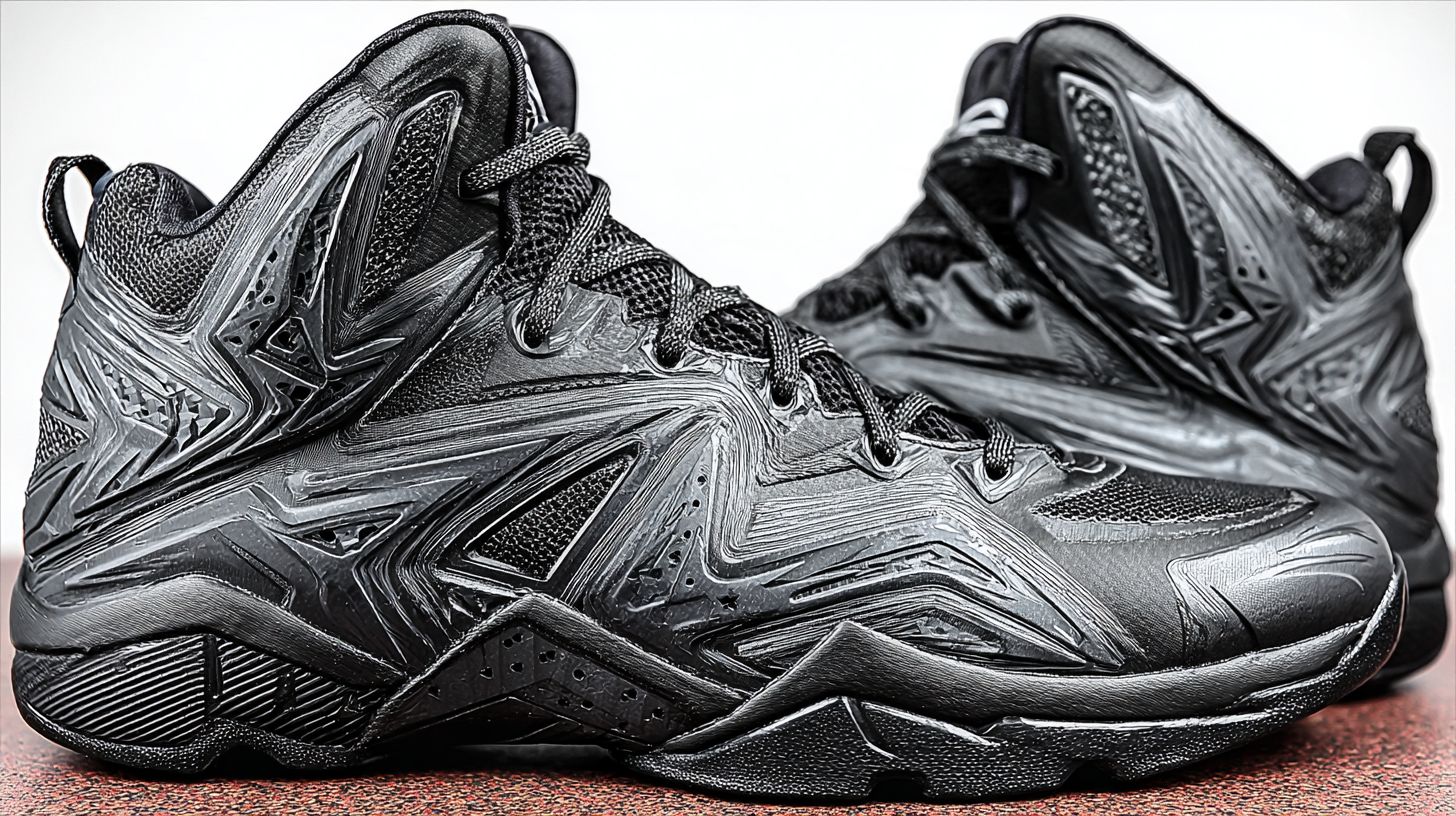
The Under Armour HOVR Havoc line typically lands at $90-110 (frequently $60-75 on clearance), delivering a molded heel counter, HOVR foam with decent energy return, and a wide herringbone outsole that punches well above its price for stability. At roughly 11 to 12 ounces, it is noticeably lighter than the LeBron pick.
Compared with the premium option, you lose some material quality and a bit of lateral rigidity in the upper, but heel containment stays solid for most players. The herringbone pattern grips hardwood well and the molded counter resists inversion during hard cuts.
The ideal buyer is a high school player, rec-league guard, or a budget-conscious parent shopping for growing feet that will outgrow the shoe within a season. It is also a smart second pair for outdoor courts where durability matters more than premium cushioning.
One honest weakness: the HOVR foam can feel firm underfoot and tends to bottom out faster than Zoom Air after roughly six months of heavy use. Wide-footed players should skip it, since the forefoot runs narrow and offers little room for orthotics.
Best for Wide Feet: adidas Pro Bounce
The adidas Pro Bounce (around $100, often $55-70 on sale) is built on a wider last than most guards’ shoes, with a broad forefoot, a TPU midfoot shank for torsional rigidity, and a Bounce EVA midsole that suits players who need room for orthotics or wide forefeet. It weighs in around 12.5 ounces.
The stability advantage is straightforward: a wider base of support shortens the lever arm that drives inversion rollovers, so the shoe resists turning over when you land on the edge of the outsole. The TPU shank also keeps the midfoot from twisting during quick direction changes.
On fit, many players go true to size, though wide-footers may still prefer a half size up for extra toe room. The removable insole makes it orthotic-friendly, an important detail for anyone managing arch support needs or plantar fasciitis.
Trade-offs include Bounce cushioning that feels less responsive than Boost or Zoom, and a less breathable upper during long sessions. Players who want adidas Boost energy return with a similar stability profile should look at the Harden Vol. line instead.
Best Stability-Focused Models
Stability-focused shoes prioritize anti-rollover geometry over cushioning hype, think flared outsoles, firm heel counters, and lower stack heights, and this section compares models like the New Balance Kawhi, Puma Clyde All-Pro, and adidas Harden Vol. 8 on those exact traits. These picks sit apart from the heavily padded ankle-support shoes covered earlier.
Where a plush high-top leans on collar height and thick foam to protect the ankle joint, a stability-focused model attacks the problem at the ground. A wider base of support and a lower stack height reduce the leverage that drives inversion and eversion during cutting movements and defensive slides.
The trade-off is real. You give up some impact protection and soft landings in exchange for sharper court feel, quicker proprioception, and a firmer platform that resists rolling over on hard jump landings.
If you have rolled an ankle before or play a position that demands constant lateral movement, this category is worth a close look. The comparison below breaks down lateral support and court feel side by side so you can match geometry to your game.
Lateral Support and Court Feel Comparisons
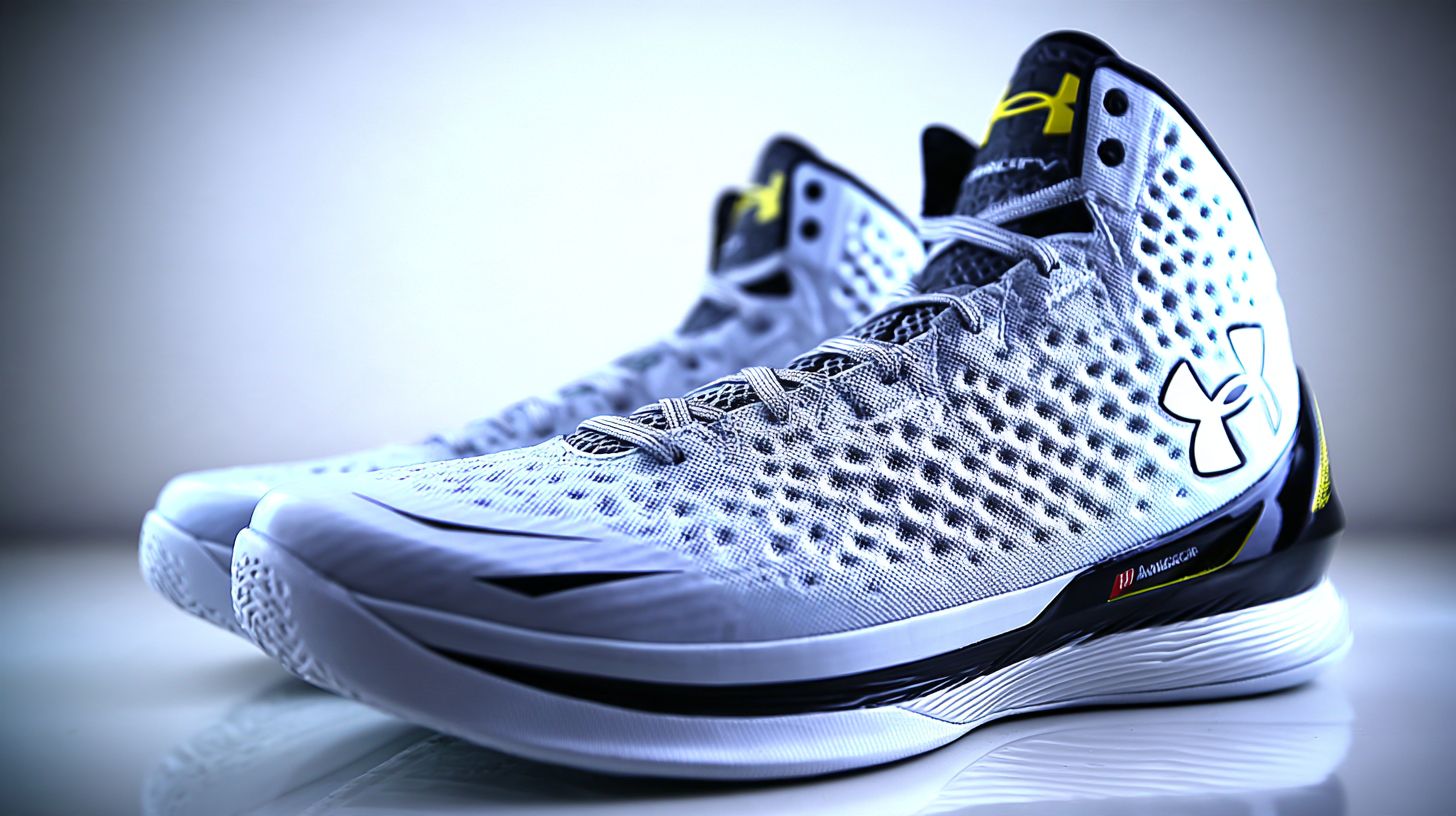
In side-by-side playtests, the New Balance Kawhi 4 (stack height ~26mm heel / 18mm forefoot, ~8mm drop) offered the best combination of low court feel and firm lateral containment, while the Harden Vol. 8 (~29mm/21mm) traded some court feel for plusher Boost cushioning.
| Model | Stack height (heel/forefoot) | Weight | Outsole width notes | Lateral containment | Court feel | Price |
|---|---|---|---|---|---|---|
| New Balance Kawhi 4 | ~26mm / 18mm | Moderate | Flared forefoot, wide base | Excellent | Excellent | Premium |
| Puma Clyde All-Pro | ~25mm / 17mm | Light | Balanced width, stable edges | Very good | Excellent | Mid-range |
| adidas Harden Vol. 8 | ~29mm / 21mm | Moderate | Wide heel, rounded forefoot | Good | Good | Premium |
| adidas Pro Bounce | ~27mm / 19mm | Moderate | Broad base, firm edges | Good | Good | Budget |
The Kawhi 4’s low stack height keeps your foot close to the hardwood, which sharpens proprioception and cuts the rollover leverage that causes inversion sprains. Its firm heel counter and flared outsole edges hold the rearfoot steady through hard defensive slides.
The Puma Clyde All-Pro is the lightest of the group, and that low weight helps on quick crossovers. A slightly higher stack on the Harden Vol. 8 means more impact protection on jump landings, but you feel less of the floor and get a touch less forefoot stability.
Each of these outsoles uses a pivot point design to help spin moves flow without catching an edge. Traction patterns vary: herringbone grips best in straight-line stops, while radial patterns favor multidirectional traction and cutting.
The budget Pro Bounce proves you do not need a premium price for a broad base of support and a firm platform. It gives up some refinement in the foam midsole, but the anti-rollover geometry holds up.
Choose the Kawhi 4 or Clyde All-Pro if you’re a shifty guard who lives on cuts and crossovers. Choose the Harden Vol. 8 or Pro Bounce if you’re a heavier wing who wants a wider base and a bit more cushioning under hard landings.
How to Choose the Right Fit for Your Playing Style
Match the shoe to how you actually move: guards who cut and stop hard need low stack height and tight heel lockdown, while bigs and heavier wings benefit from wider bases and max cushioning, and a 2022 survey of NBA footwear habits showed positional preferences track closely with these traits.
Use your position and movement patterns as the first filter, then confirm the fit in person. A shoe that scores well in a performance review can still fail your foot if the ankle collar, lacing system, or outsole width does not match your gait.
Position and style matrix. Shifty guards who live on crossovers and defensive slides should lean toward low-top or light mid-top models with a low stack height for court feel and quick lateral pushes. A snug heel counter and internal heel cup matter more than bulk here.
Slashers and wings who attack the rim want a mid-top with a padded collar and a midfoot strap or stability plate for lockdown during jump landing and hard stops. Bigs and heavier players should prioritize a high-top, a wide outsole for a larger base of support, and maximum impact protection from a polyurethane midsole or air cushioning.
Fit checklist before you buy. Bring the socks you actually play in, plus any ankle brace, orthotic, or removable insole you use. Try the shoe on late in the day when feet are at their largest, and walk and cut in the store.
- Check heel slip by pushing off hard; the heel should stay locked with no lift.
- Test a lateral push and a quick crossover to feel forefoot stability and lateral containment.
- Press the ankle collar to confirm padding sits above the medial malleolus and lateral malleolus without digging in.
- Allow a 3 to 5 session break-in period before judging a stiff synthetic leather or reinforced upper.
Sizing notes. Most Nike and Adidas models run true to size, while Under Armour tends to fit narrow. Wide-footers should size up or look for wide lasts to avoid pressure across the metatarsals.
Check that the lacing system lets you tighten the midfoot without pinching the instep. A shoe that feels loose through the arch rarely improves with tighter laces alone.
Budget tiers. Value basketball shoes in the $60 to $100 range often deliver solid outsole traction and a herringbone pattern for indoor courts. Mid-tier options from $100 to $160 add better foam midsole tech and stronger torsional rigidity.
Premium models from $160 to $220 bring refined rearfoot stability, anti-rollover shaping, and energy return. Pay for the features that match your position, not just the price tag.
If you have flat feet or plantar fasciitis, look for orthotic-friendly models with a removable insole so you can swap in your own arch support. Choose a shoe with a supportive heel counter and enough midfoot structure to limit pronation control issues during long sessions.
A podiatrist or physical therapist can help you match foot anatomy and gait to a shoe. Prioritize rearfoot stability and cushioning that reduces foot fatigue over pure court feel.
Ankle Support Accessories and Injury Prevention Tips
Shoes are only half the equation: a 2020 meta-analysis in Sports Medicine found that lace-up ankle braces reduced sprain incidence by roughly 50-70% in basketball players with prior injuries, and a simple balance-board proprioception program cut recurrence rates significantly. The right basketball shoes give you a stable base, but bracing, training, and smart habits keep the ankle joint protected through cutting movements, defensive slides, and rebound landings.
Lace-up braces such as ASO or Zamst models work best for players with a history of sprains. They fit most cleanly inside high-top or mid-top shoes with a roomy ankle collar, so try your brace on with the shoe before you commit. A brace adds bulk, so check that the padded collar and lacing system still allow full lockdown without pinching the Achilles tendon.
Proprioception training retrains the ankle to sense position and react quickly. Do single-leg balance on a wobble board or folded towel for 5 minutes, three times per week. Research suggests this kind of balance work helps the ankle joint respond faster during inversion and eversion moments, which is when most sprains happen.
Strength work supports the ligaments around the lateral malleolus and medial malleolus. Build a simple routine a few times a week:
- Calf raises: 3 sets of 15 reps, slow and controlled, to load the Achilles tendon.
- Banded eversion: 3 sets of 12 reps per side, targeting the peroneals that resist inversion.
- Single-leg hops: 3 sets of 10, landing softly to build rearfoot stability.
Landing mechanics matter as much as footwear. Practice two-foot and one-foot landings with your knee tracking over the toe, hips back, and a soft bend. Repeating this in warmups trains the biomechanics that protect the ankle during jump landing and sudden stops, and it pairs well with shoes that have a wide outsole and a supportive heel counter.
Break in new shoes gradually. Give a fresh pair 3 to 5 sessions before game use. This lets the foam midsole and upper mold to your foot, reducing blisters and hot spots while you confirm the lockdown strap and lacing system stay secure through full-speed play.
See a physical therapist or podiatrist if you deal with recurrent sprains, chronic instability, or nagging plantar fasciitis. A clinician can assess your gait and foot anatomy and recommend bracing or an orthotic that fits your shoe. For arch support and foot fatigue, an orthotic-friendly shoe with a removable insole makes it easy to swap in a custom insert without changing the fit.
Final Verdict: Matching Shoes to Your Needs
Here’s the bottom line: if you’ve had a sprain in the last two years, buy the Nike LeBron 21 or a stability-focused model like the Kawhi 4 and pair it with a lace-up brace; if you’re on a budget or buying for a growing player, the Under Armour HOVR Havoc and adidas Pro Bounce deliver 80% of the protection for half the price.
Use the table below as a quick reference. It maps common player profiles to a top pick, a runner-up, a budget alternative, and the accessory that completes the setup. Treat it as a starting point, then confirm fit in person before you commit.
| Player Profile | Top Pick | Runner-Up | Budget Alternative | Accessory to Add |
|---|---|---|---|---|
| Injury-prone guard (recent sprains) | Nike LeBron 21 | New Balance Kawhi 4 | Under Armour HOVR Havoc | Lace-up ankle brace |
| Explosive wing (cutting, jumping) | New Balance Kawhi 4 | Nike LeBron 21 | adidas Pro Bounce | Midfoot lockdown strap or aftermarket insole |
| Big man (rebounding, landing impact) | Nike LeBron 21 | Adidas Harden line | adidas Pro Bounce | Orthotic-friendly removable insole |
| Wide-foot player | New Balance Kawhi 4 | Under Armour Curry line | Under Armour HOVR Havoc | Thin sock plus wide-size fitting |
| Budget or rec player | Under Armour HOVR Havoc | adidas Pro Bounce | Puma Clyde line | Lace-up brace if sprain history exists |
Notice the pattern. Every profile leans on lockdown and a secure lacing system before anything else. Collar height matters less than how well the heel counter, TPU heel clip, and midfoot shank hold your foot over the base of support during hard cuts.
A high-top with a loose fit protects less than a mid-top locked down tight. Prioritize lateral containment and rearfoot stability, then add a brace for inversion protection. That hierarchy beats chasing a taller ankle collar every time.
Try shoes on in-store with your brace and game socks. Walk, cut, and land a few jumps. Check that the padded collar does not fight the brace and that the forefoot does not pinch when you push off.
No shoe replaces strengthening and proprioception work. Calf raises, single-leg balances, and banded ankle drills build the real defense against inversion and eversion. A podiatrist or physical therapist can tailor a plan to your gait and foot anatomy.
Finally, match the shoe to the surface. Outdoor courts wear softer rubber compounds faster, so keep a dedicated indoor pair on hardwood and rotate an outdoor pair for blacktop. Rotation preserves outsole traction and multidirectional grip, which is itself a stability feature.