In this story
Playing on the wrong surface can cost you grip, cushioning, and money. Indoor and outdoor basketball shoes differ in sole compounds, tread patterns, and materials engineered for specific courts-so choosing correctly affects performance and longevity. This guide breaks down traction and sole design, cushioning, breathability, weight trade-offs, cost, and whether indoor shoes survive outdoor play.
Why the Right Shoe Matters
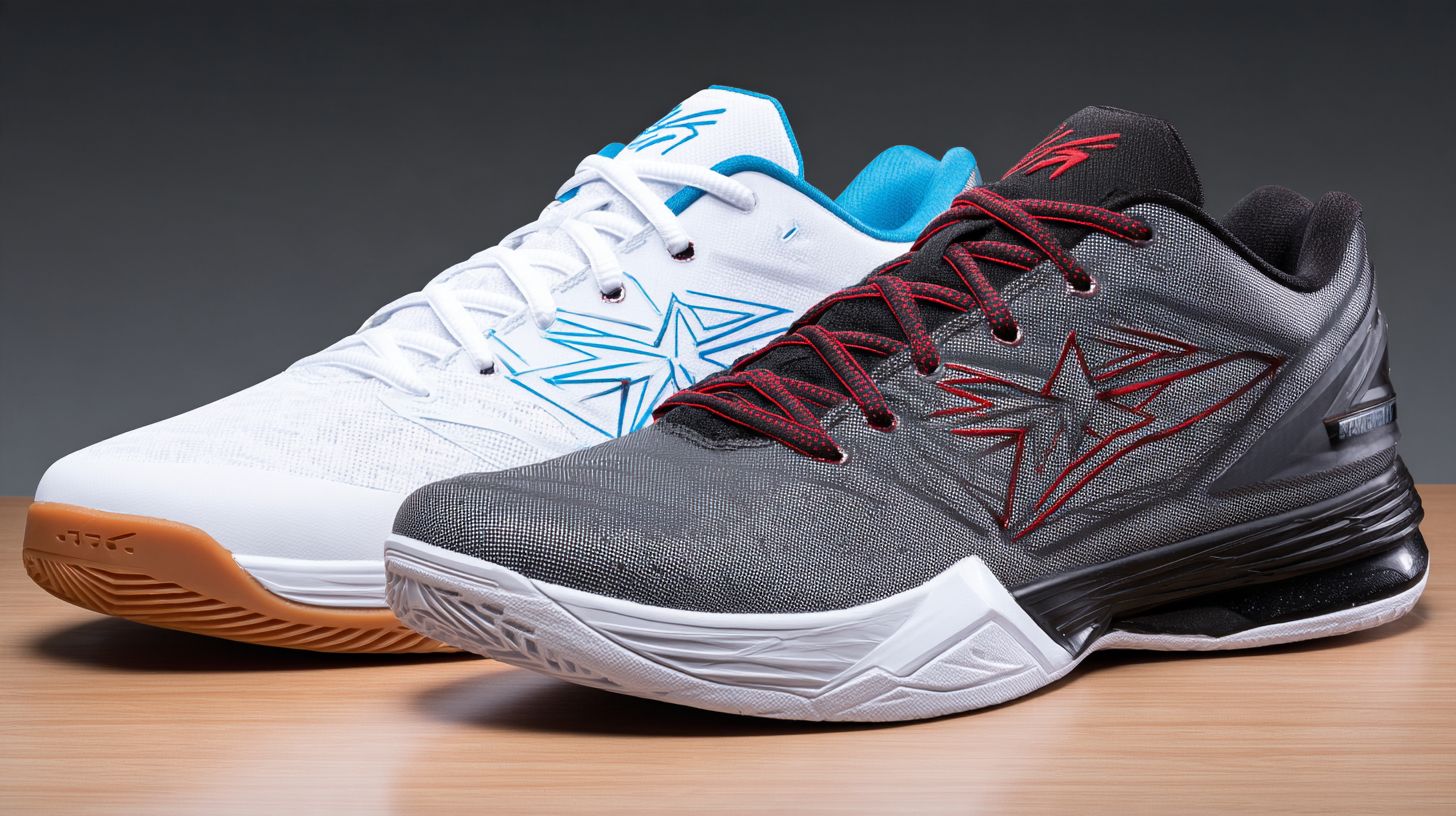
A guard who wears indoor-only shoes on asphalt can burn through an outsole in 6-8 weeks, while the same shoe on hardwood may last a full 9-month season. That gap comes down to how each surface grinds away rubber. Hardwood rewards grip and court feel, while asphalt and concrete punish soft compounds with fast, uneven wear.
Outsole rubber hardness is often measured on the Shore A scale. Indoor basketball shoes typically sit around 55-65, which keeps gum rubber tacky for indoor court grip. Outdoor basketball shoes push toward 70-80, trading a little stickiness for far better abrasion resistance on a concrete court or blacktop.
Biomechanics differ too. Hardwood lets a player cut, pivot, and stop with thin, grippy soles and low cushioning stack height for court feel. Asphalt and concrete send more shock up the leg, so outdoor pairs need thicker rubber, a durable compound, and a cushioning system with real shock absorption.
Wearing the wrong pair raises injury risk. Soft indoor midsoles compress too fast on rough ground, reducing impact protection and adding foot fatigue. Poor lateral support and a weak heel counter can feed ankle sprains, while thin, worn cushioning contributes to plantar fasciitis. Match the shoe to the court surface, and both performance and longevity hold up.
Key Design Differences at a Glance
Indoor shoes typically use softer gum rubber with a dense herringbone tread, while outdoor models swap in harder carbon rubber and deeper, wider lugs. That single contrast drives most of the other design choices on the shoe. The table below shows how each component shifts between the two categories.
| Feature | Indoor Basketball Shoes | Outdoor Basketball Shoes |
|---|---|---|
| Outsole compound | Soft gum rubber that grips a clean hardwood floor | Hard carbon rubber built for abrasive surfaces |
| Tread pattern | Dense herringbone tread for multi-directional grip | Modified or waffle-style lugs with wider spacing |
| Rubber hardness | Softer compound, roughly Shore A 55 to 65 | Harder compound, roughly Shore A 70 to 80 |
| Outsole thickness | Thin, around 2 to 3 mm for court feel | Thicker, around 4 to 6 mm for wear life |
| Cushioning focus | Low-profile, responsive cushioning and court feel | Higher stack height for impact protection |
| Upper | Mesh or knit for breathability and light weight | Reinforced synthetic or leather with toe cap support |
Each row reflects a trade-off rather than an absolute rule. A softer gum rubber gives excellent indoor court grip but wears quickly on an asphalt court or concrete court. A harder durable compound survives blacktop and streetball sessions but feels slippery and stiff on a gym floor.
Real models show the split clearly. A signature guard shoe like the Nike Kobe 6 uses a low-profile gum sole tuned for hardwood, while the Adidas Dame 8 pairs a thicker, harder-wearing outsole with a reinforced upper for outdoor play. Both are performance shoes, just engineered for different surfaces.
The summary trade-off is simple: grip versus durability, and feel versus protection. Indoor basketball shoes prioritize traction and a close-to-the-floor ride. Outdoor basketball shoes prioritize abrasion resistance and shock absorption, accepting extra weight and a firmer feel underfoot.
Neither approach is better on its own. The right pick depends on where you actually play, how often you play, and whether you rotate shoes or rely on one pair for every surface.
Traction and Sole Patterns
Traction is the single biggest differentiator: indoor soles rely on fine herringbone for hardwood bite, while outdoor soles use thicker, wider patterns to resist shearing on asphalt.
Every court surface has its own friction and abrasion profile. A traction pattern and outsole rubber compound must be matched to that profile, or the shoe will either slip or wear out fast.
The two demands pull in opposite directions. Indoor court grip favors soft rubber and dense tread for maximum floor contact, while outdoor durability favors harder compounds and chunkier tread that survives rough ground.
Gym floors add another rule: soles must be non-marking to avoid leaving scuffs on polished hardwood. Keep these mechanisms in mind as you weigh each option below.
Indoor Court Grip
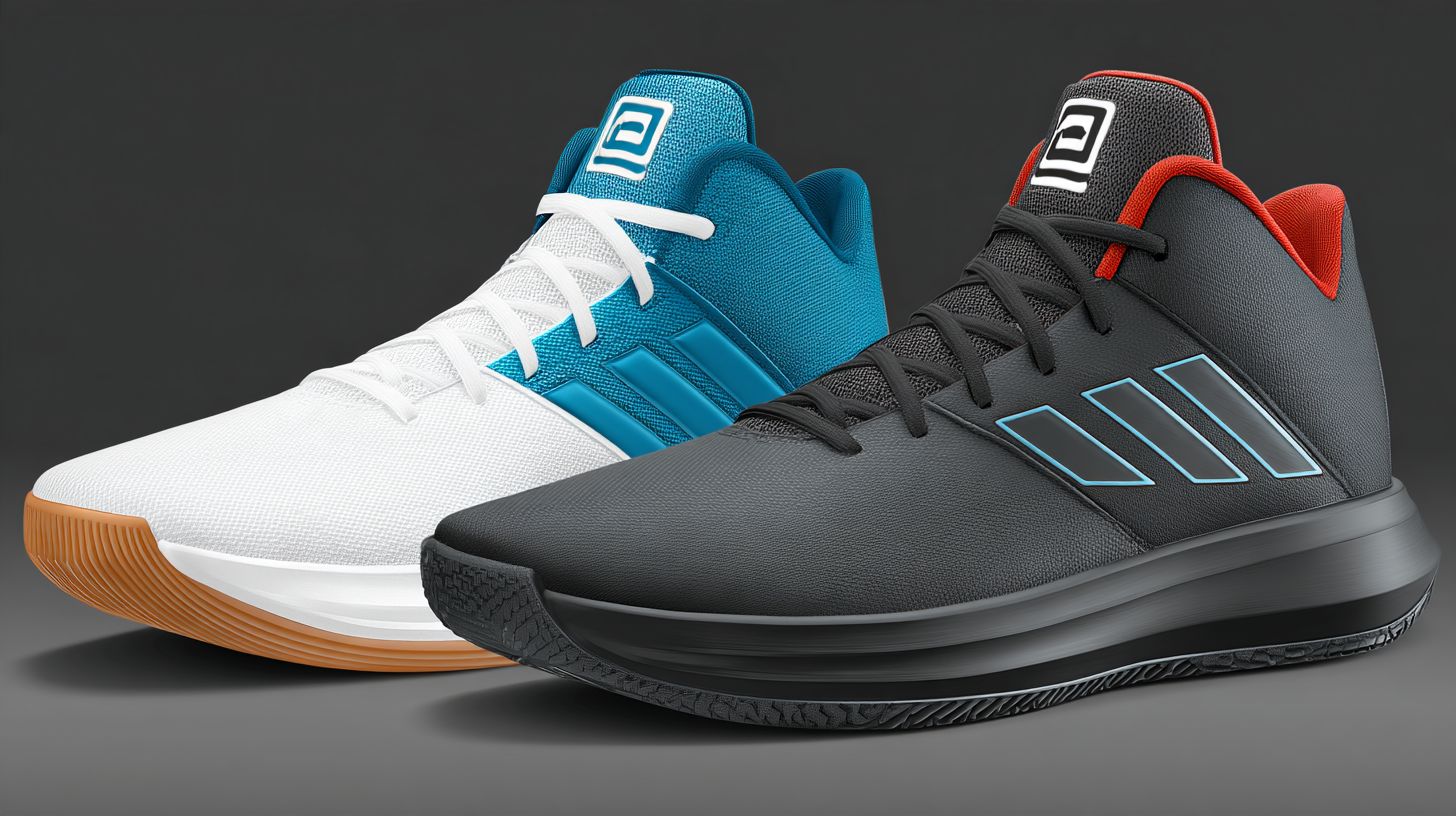
On hardwood, a clean gum-rubber herringbone sole can deliver noticeably higher traction than a hard outdoor compound, but dust pickup can cut grip within a single quarter.
Soft gum rubber presses into the floor and raises friction, and fine herringbone tread maximizes contact area. The tradeoff is that this soft surface grabs dust and debris quickly, so players wipe soles on their hands or a mat during dead balls.
When choosing indoor basketball shoes, use these criteria:
- Prioritize dense herringbone over flashy patterns with large blank zones.
- Pick gum or soft rubber compounds tuned for hardwood.
- Avoid deep lugs, which reduce the contact area that generates bite.
A shoe like the Nike LeBron 20 shows how an indoor-focused traction layout feels on a clean floor. For maintenance, wipe the outsole with a damp towel before each session and store shoes away from grit. Keeping a dedicated indoor pair also protects the sole from asphalt wear between gym days.
Outdoor Durability
On asphalt and concrete, a 4-6 mm carbon-rubber outsole with deeper tread can outlast a thin indoor sole by 2-3x under the same play frequency.
Rough surfaces act like sandpaper, shearing rubber away with every cut, pivot, and stop. Harder compounds slow that wear, and thicker tread gives the sole more material to lose before grip fades. Scuff resistance and a reinforced toe cap matter too, since toe drags chew through soft uppers and thin rubber fast.
Use these criteria when selecting outdoor basketball shoes:
- Compound hardness around 70-80 Shore A for a balance of grip and wear life.
- Outsole thickness of 4-6 mm with abrasion resistance in mind.
- Deeper, wider tread that sheds grit and resists shearing.
- Toe cap reinforcement where players drag their feet.
An outsole like the Nike Air Max Impact is built with this rougher use in mind. Expect realistic longevity of roughly 3-6 months for outdoor play three times a week. On blacktop in summer heat, rubber softens and wears faster, so rotate pairs and check wear patterns regularly.
Cushioning and Support
Indoor shoes often use lower, more responsive foam stacks (e.g., 20-24 mm heel) for court feel, while outdoor models add taller, firmer cushioning (26-30 mm) to absorb repeated impact on unforgiving surfaces. That difference shapes how each shoe feels underfoot and how your legs hold up over a long session.
Stack height and drop matter here. A lower stack keeps you close to the hardwood floor, which helps guards feel quick on cuts and pivots. Taller stacks on outdoor basketball shoes trade a little court feel for impact protection that lasts through hours on asphalt or a concrete court.
Foam type changes the equation too. Basic EVA foam is affordable but packs out faster, while modern supercritical foams return more energy and hold their shape longer. A classic comparison is Zoom Air, which feels springy and low profile, versus Boost, which feels softer and denser. Both work, but they suit different preferences and surfaces.
Support features round out the build. A shank plate adds torsional rigidity for hard stops, a heel counter keeps the foot locked in, and a lateral outrigger reduces rollover on aggressive cuts. Guards often prefer low, responsive setups, while forwards and centers benefit from more stack and stability. One caution: overly firm outdoor setups can raise plantar fasciitis risk, so pick cushioning that balances firmness with comfort.
Materials and Breathability
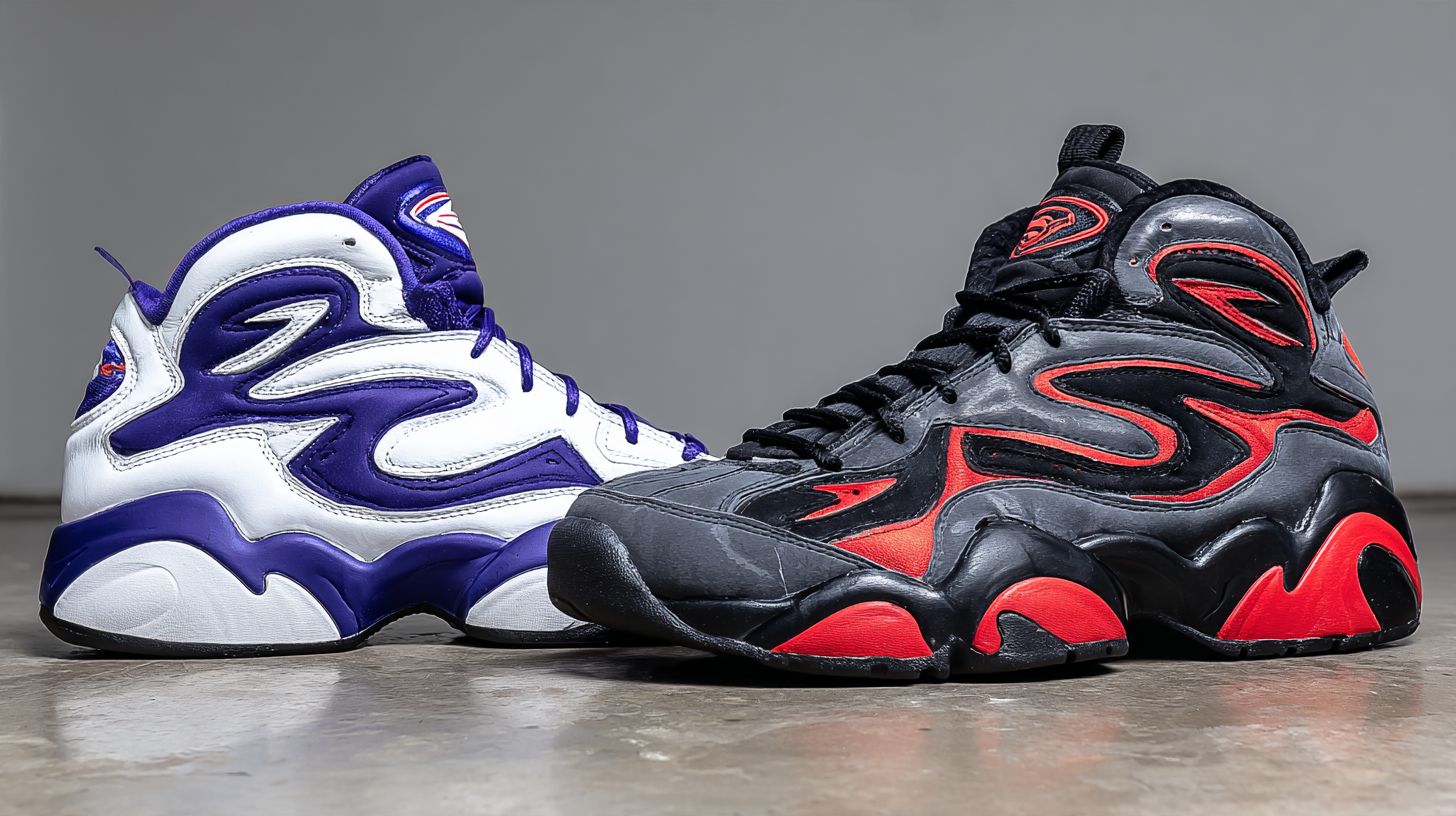
Indoor uppers favor lightweight mesh and knit for ventilation, while outdoor models add leather or synthetic overlays to survive scuffs and abrasion. The upper material shapes how a shoe feels, how it fits, and how long it lasts on a given surface.
Mesh and knit builds breathe well and keep the shoe light, which suits the controlled climate of a gym. The trade-off is less durability against rough surfaces, since thin fabrics scuff and tear faster on asphalt. Leather and synthetic overlays resist abrasion and hold their shape, but they add weight and trap heat.
Moisture management matters in both cases. A breathable sockliner and insole help wick sweat and reduce foot fatigue during long sessions. Dense foam insoles cushion more but can run warmer, so match the liner to your climate and play intensity.
Use these selection tips when comparing pairs:
- Prioritize ventilation for indoor basketball shoes, where airflow keeps feet cooler on hardwood floor.
- Choose reinforced overlays for outdoor basketball shoes that face asphalt court and concrete court wear.
- Check the toe cap reinforcement for scuff resistance, since dragging toes wears through soft uppers quickly.
A real example helps. The mesh-heavy build of a guard-style shoe like the Nike Kyrie Infinity favors breathability and court feel, while the LeBron Soldier line leans on leather-like overlays for scuff resistance and lockdown. Match the upper to your surface and playing style.
Weight and Performance Trade-offs
A typical indoor guard shoe weighs 10-12 oz, while a durable outdoor model often runs 13-16 oz, adding roughly 20-30% more mass that affects sprinting and cutting. That gap is the core trade-off between indoor basketball shoes built for speed and outdoor basketball shoes built to survive rough surfaces.
Extra weight comes from thicker outsole rubber, reinforced toe caps, and sturdier upper materials. All of that improves abrasion resistance on an asphalt court or concrete court, but it also demands more energy from your legs with every stride. Lighter shoes feel quicker on cuts and help delay foot fatigue during long runs.
Stack height and stability matter just as much. A thicker midsole foam or cushioning system adds impact protection but raises the ride and can reduce court feel. A shank plate and heel counter keep the shoe stable, though they also add grams.
- Guards and perimeter players: prioritize a lightweight design for agility and quick stops.
- Forwards and centers: accept extra mass for impact protection and lateral support.
- Outdoor regulars: favor a durable compound and accept the weight penalty.
Compare a low-profile guard model at around 11 oz with an outdoor-focused shoe near 14 oz. If you play mostly on a hardwood floor, go light. On blacktop, the heavier build usually pays off in longevity.
Cost and Longevity Considerations
A $110 indoor shoe worn outdoors may need replacement in 2 months, while a $140 outdoor model can last 5 to 6 months, making the cheaper shoe more expensive per month. Run the math before you buy: indoor comes to about $55 per month ($110 ÷ 2), while outdoor lands near $23 per month ($140 ÷ 6). The lower sticker price rarely wins on value.
Durability ratings and sole warranties help you compare models. Some brands offer outsole guarantees that replace a shoe if the rubber wears through within a set period, which matters most for outdoor basketball shoes. Check the abrasion resistance of the durable compound and the outsole thickness before committing.
Inspect wear patterns regularly. Toe drag from pivoting and heel wear from sprinting and stopping show up first. Look for bald patches, frayed herringbone tread, and exposed midsole foam. Catching these early tells you when to retire a pair or shift it to indoor use only.
Three habits stretch your budget and extend longevity:
- Buy previous-season models, which often cost less with similar performance.
- Rotate two pairs so each midsole foam recovers between sessions.
- Match shoe to surface: keep indoor basketball shoes on the hardwood floor and save outdoor pairs for the asphalt court.
Shoe rotation also reduces foot fatigue and keeps traction pattern edges sharper. A hybrid or all-court shoe can cover both surfaces, but dedicated pairs usually deliver better indoor court grip and outdoor durability over time.
Can You Wear Indoor Shoes Outdoors?
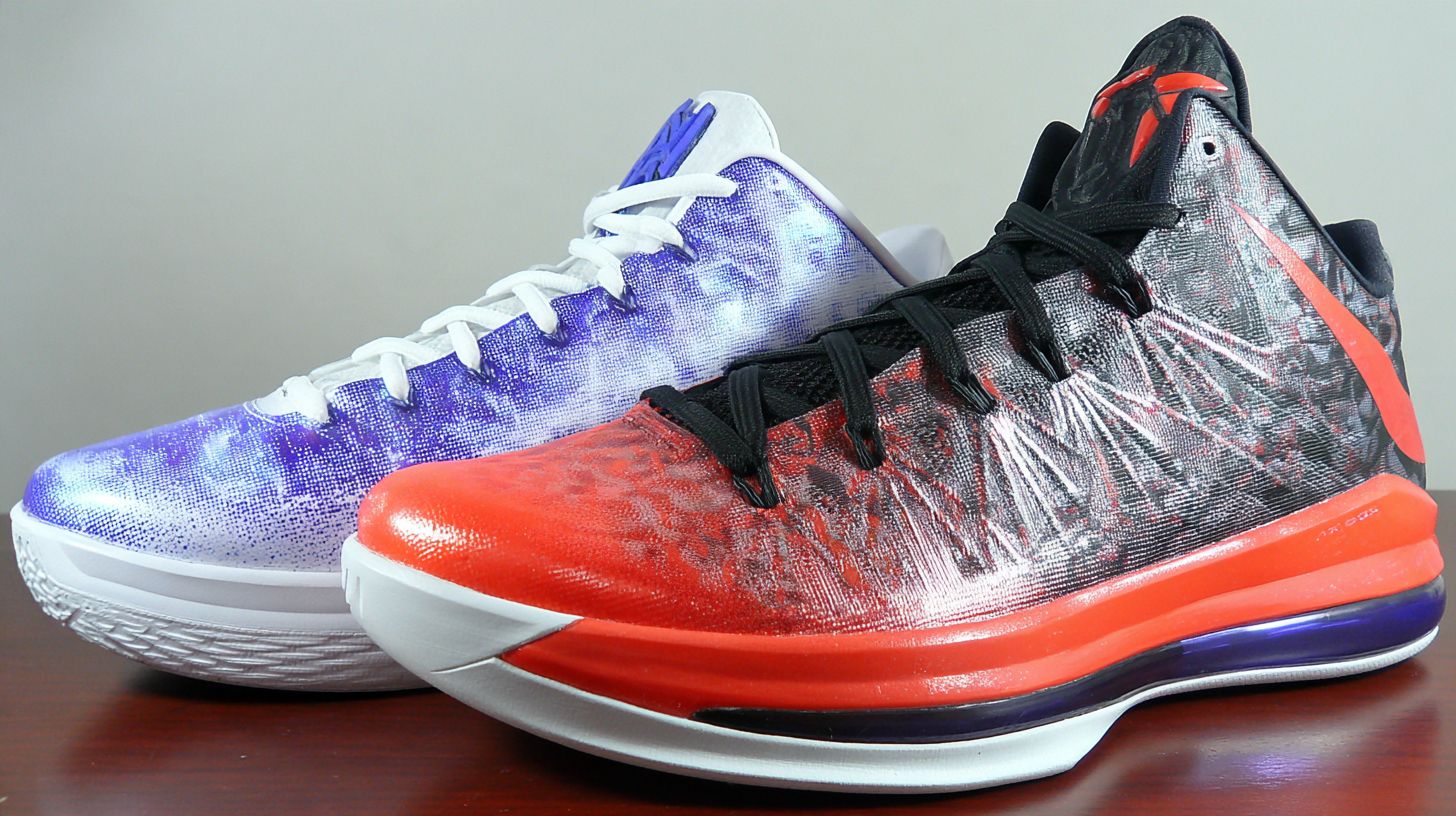
Yes, you can wear indoor shoes outdoors, but expect the soft gum rubber to wear 2-3x faster and traction to degrade as the herringbone pattern erodes. The occasional trip from the car to the gym door won’t ruin them. Regular outdoor runs will.
Indoor basketball shoes are built around a soft gum rubber outsole tuned for indoor court grip on a clean hardwood floor. That compound is sticky and pliable, which is great for stopping power and cutting. On an asphalt court or concrete court, the same softness turns into a liability.
The outsole rubber is usually the first thing to fail. The herringbone tread wears down fast on abrasive blacktop, and once the pattern flattens you lose grip on every surface. After that, expect upper scuffs and toe drag damage, since indoor uppers often skip heavy toe cap reinforcement.
Treat indoor shoes as gym-only for league play. For weekend streetball, mixed surfaces, or a tennis court, pick an all-court or hybrid model with a harder durable compound and deeper tread depth. If you split time between surfaces, rotate shoes and keep indoor pairs off hot asphalt, which softens rubber even further.
How to Choose Based on Your Playing Surface
Match the outsole to the surface first: hardwood calls for gum herringbone; asphalt and concrete need thick carbon rubber; rubberized and multi-surface courts suit a hybrid all-court pattern. Get this step right and most other decisions fall into place.
The table below shows how each surface shapes outsole choice, cushioning priority, and the kind of shoe to look for.
| Surface | Recommended outsole | Cushioning priority | Example shoe type |
|---|---|---|---|
| Hardwood floor | Gum rubber with herringbone tread | Moderate, low stack for court feel | Lightweight low-top guard shoe |
| Asphalt court | Thick carbon rubber, deep tread | High shock absorption | Reinforced outdoor mid-top |
| Concrete court | Hard durable compound, wide tread blocks | Maximum impact protection | Heavy-duty outdoor shoe with toe cap |
| Rubberized track | Soft non-marking rubber, tight herringbone | Balanced, responsive cushioning | Versatile indoor-style performance shoe |
| Multi-surface | Hybrid all-court pattern | Versatile midsole foam | All-court hybrid shoe |
Work through three steps. First, identify your primary surface, since most players log the majority of hours in one place. Second, match the outsole compound and traction pattern to that surface. Third, adjust cushioning and support to your position and play style: guards benefit from responsive, low-profile setups, while forwards and centers often want more stack height and lateral support.
Run a quick checklist before buying. Confirm a non-marking sole for gyms, a toe cap for outdoor scuff resistance, and enough stack height for impact protection on hard courts. Check tread depth and compound hardness too, then weigh fit, lockdown, and breathability.
Final Verdict
Buy for your primary court, not for versatility: indoor players should prioritize gum-rubber grip and court feel, while outdoor players should prioritize abrasion-resistant rubber and thicker cushioning. The court surface dictates how fast a sole wears down and how much shock absorption you need. Matching the shoe to where you actually play is the simplest way to get real value.
Use these quick picks by player type:
- Indoor guard: Look for a gum rubber outsole with a tight herringbone tread, a low or mid-top build, and a snug lockdown fit for cutting and pivoting on hardwood.
- Outdoor forward: Choose a durable compound with deep tread depth, a reinforced toe cap, and a thicker cushioning stack for impact protection on asphalt or concrete.
- Mixed-surface recreational: A hybrid all-court shoe with balanced abrasion resistance and decent indoor grip covers both gym floors and blacktop without owning two pairs.
To save money, rotate two pairs so each midsole foam recovers between sessions, or buy previous-season models at a lower price point. Before you buy anything, inspect the wear pattern on your current outsole to see exactly where your foot strikes and how fast the rubber is fading.